
When purchasing a Safety Light Curtain, choosing the right manufacturer is often more important than simply comparing product prices. A safety sensor becomes part of the machine's protective system, so its reliability, technical compatibility, production consistency, documentation, and after-sales support can directly influence both machine safety and operating costs.
For machine builders, automation integrators, distributors, and industrial end users, selecting a Safety Light Curtain Manufacturer should therefore be treated as a supplier-qualification process rather than a simple product purchase.
This guide explains the key factors to evaluate before placing an order and provides a practical framework for moving from initial inquiry to long-term supplier cooperation.
1. Start with the Manufacturer's Technical Capability
The first question should be simple:
Can the manufacturer provide a Safety Light Curtain that actually matches your application?
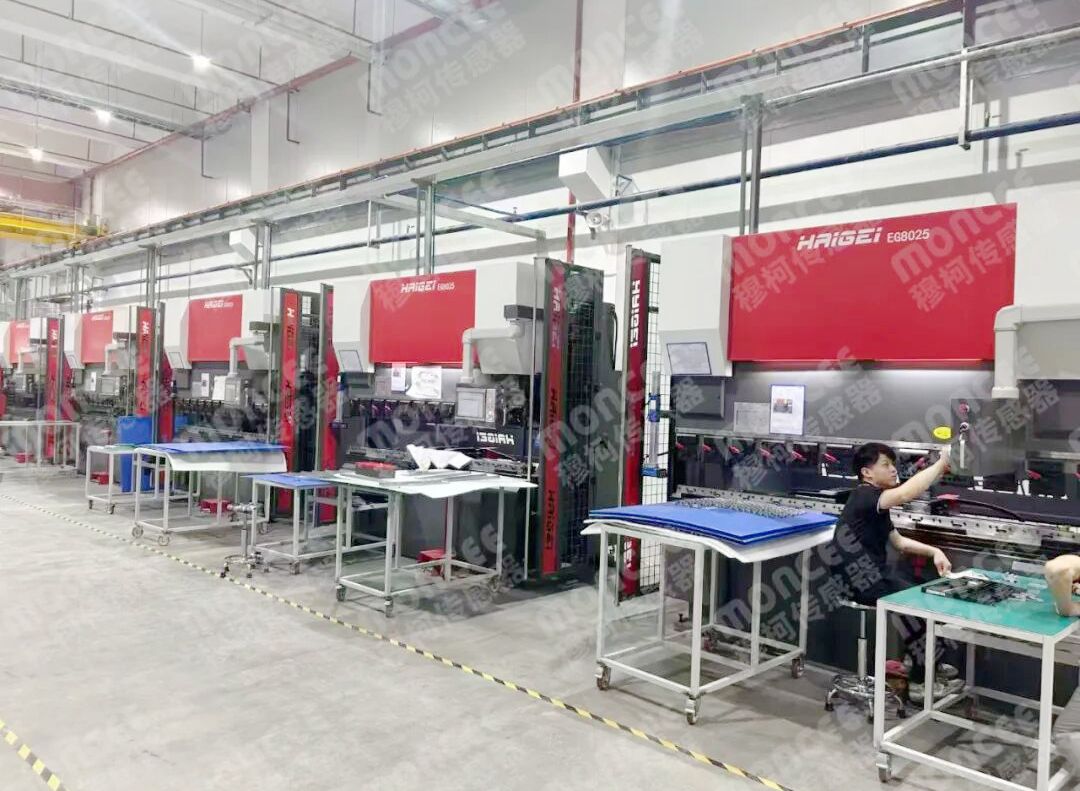
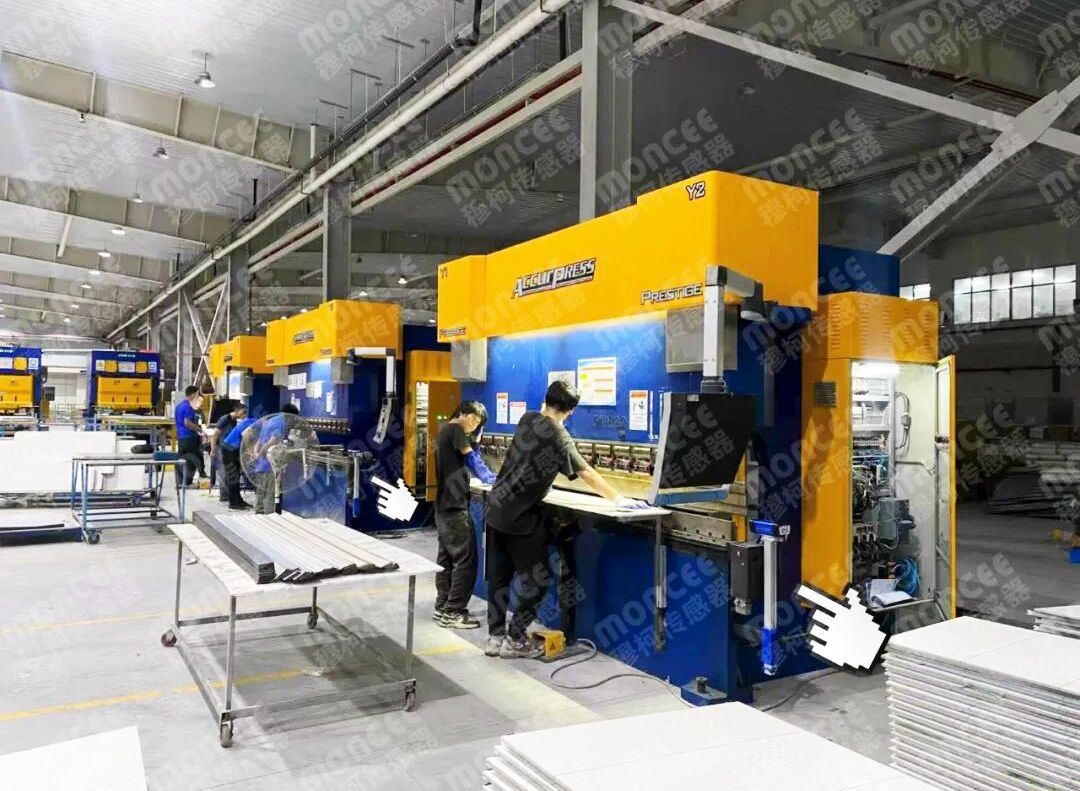
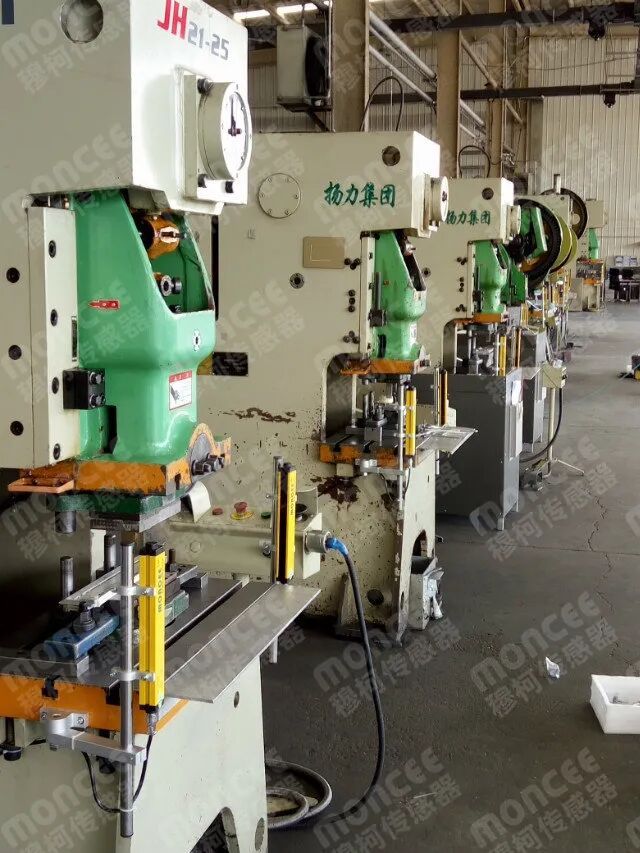
Different machines have different safeguarding requirements. Presses, punching machines, shearing equipment, injection molding machines, automated assembly lines, and other industrial machinery may require different protection heights, beam spacing, sensing distances, output configurations, and installation methods.
The GT Series Safety Light Curtain, for example, offers multiple beam-spacing configurations, including 10 mm, 20 mm, 30 mm, 40 mm, and 80 mm. Depending on the model, the documented protection height ranges from approximately 100 mm to 2840 mm, while the operating range can extend to 24 m.
This type of product range is valuable for OEM buyers because one manufacturer can potentially support multiple machine designs without requiring a completely different supplier for every application.
When evaluating a manufacturer, ask for:
Available resolutions and beam spacings
Protection-height options
Maximum sensing distance
Response-time specifications
Output configurations
Operating temperature range
IP protection rating
Available mounting accessories
Controller and interface options
A professional manufacturer should be able to provide clear technical documentation rather than relying entirely on sales descriptions.
2. Verify Safety Performance and Product Consistency
A Safety Light Curtain is not an ordinary proximity sensor. Its performance must remain predictable throughout repeated industrial operation.
The GT Series documentation identifies IEC 61496-1/2 among its relevant standards and specifies an IP65 protection rating. The documented operating temperature is approximately -10°C to +55°C, subject to the stated environmental conditions.
For buyers, however, certification claims should not be accepted solely from a product webpage.
Before purchasing, request the manufacturer's:
Product datasheet
Installation manual
Wiring diagrams
Applicable certificates and test documentation
Product inspection procedures
Quality-control information
This is particularly important for OEM projects and export orders, where customers may need documentation for internal approval, machine validation, or regional compliance requirements.
A reliable Safety Light Curtain Manufacturer should be comfortable providing this information during the qualification stage.
3. Look Beyond the Sensor: Evaluate the Complete Safety System
Another important consideration is whether the manufacturer understands machine safety as a system.
The GT Series can be combined with dedicated controllers, with the brochure documenting controller products such as SBC-01 and SPC-01 and configurations involving NPN/PNP outputs and relay interfaces. The documented controller response time is specified at ≤20 ms for the relevant configuration.
This matters because a Safety Light Curtain does not operate independently. Its signal must interact correctly with the machine's control and stopping system.
A capable manufacturer should therefore be able to discuss:
Sensor-to-controller communication
NPN/PNP or relay interfaces
Machine control compatibility
Reset functions
Wiring requirements
Installation distance
Diagnostic functions
Commissioning procedures
For machine builders, suppliers capable of discussing the complete safety circuit can reduce engineering time and integration risk.
4. Check Whether the Manufacturer Can Support OEM and Custom Requirements
Standard products are suitable for many applications, but industrial customers frequently require variations.
An OEM may need a specific protection height. A distributor may require a particular cable configuration or connector. An automation integrator may need compatibility with an existing control architecture.
This is where the difference between a manufacturer and a trading company becomes particularly important.
Ask potential suppliers:
Can you customize the product?
What is the minimum order quantity for customization?
Can you provide engineering samples before mass production?
How long does customization normally take?
Can the same specification be maintained over repeated production batches?
The GT Series brochure shows a product family covering multiple sizes and configurations, indicating a standardized product platform rather than a single fixed model.
For B2B customers, this scalability can be more valuable than a low initial unit price.
5. Evaluate Manufacturing Capacity and Quality Control
A professional Safety Light Curtain Manufacturer should be able to demonstrate that it can deliver consistent products—not just one good sample.
For distributors and OEM customers, investigate:
Production capacity
Quality inspection procedures
Incoming-material inspection
Finished-product testing
Batch traceability
Failure analysis procedures
Spare-parts availability
Lead-time stability
This becomes especially important when an order grows from dozens of units to hundreds or thousands.
A supplier that provides an excellent prototype but struggles with production consistency can create significant costs through field failures, replacements, customer complaints, and delayed machine delivery.
Therefore, supplier evaluation should consider total cost of ownership, not only the quoted unit price.
6. Compare Suppliers According to Total Business Value
When comparing two or more Safety Light Curtain manufacturers, create a supplier scorecard rather than choosing based on price.
| Evaluation Factor | Questions for the Manufacturer |
Product range | Can one platform cover multiple machine designs? |
Technical performance | Are resolution, range, height, and response time clearly documented? |
Safety standards | Can relevant certificates and technical documents be provided? |
Integration | Are required controllers and output interfaces available? |
Customization | Can OEM specifications be supported? |
Quality | What testing is performed before shipment? |
MOQ | Is the order quantity suitable for your business model? |
Lead time | Can production schedules be maintained consistently? |
Samples | Can evaluation units be supplied before bulk purchasing? |
Support | Is technical assistance available during integration? |
After-sales | How are warranty claims and product failures handled? |
| Commercial terms | Are pricing, payment, packaging, and shipping terms competitive? |
This approach makes it easier to identify a supplier that can become a long-term partner rather than simply a one-time vendor.
7. Turn Supplier Evaluation into a Purchasing Process
Once a potential manufacturer passes your technical screening, move directly toward practical verification.
A professional purchasing process can follow five steps:
Step 1 — Send your machine requirements.
Provide protection height, required resolution, sensing distance, machine type, installation position, control voltage, output type, and quantity.
Step 2 — Request a technical recommendation.
Ask the manufacturer to recommend the appropriate model rather than selecting a product solely from a catalog.
Step 3 — Request samples.
Install and test the Safety Light Curtain under actual or representative operating conditions.
Step 4 — Request a formal quotation.
Compare unit price, MOQ, lead time, accessories, packaging, warranty, and shipping terms.
Step 5 — Establish a long-term supply agreement.
For successful samples, discuss forecast quantities, OEM requirements, quality standards, and future product development.
This process reduces purchasing risk while giving both parties an opportunity to determine whether the cooperation is commercially viable.
Why Work Directly with a Safety Light Curtain Manufacturer?
For industrial buyers, purchasing directly from a qualified manufacturer can provide several advantages: better communication with engineers, greater flexibility for customization, clearer technical documentation, more competitive volume pricing, and improved control over future product supply.
For OEM machine builders and distributors in particular, the ideal supplier is not necessarily the manufacturer offering the lowest quotation. It is the manufacturer capable of delivering consistent quality, technical support, customization capability, stable production, and commercially competitive terms.
The GT Series Safety Light Curtain represents a product platform designed for industrial machine safeguarding, with multiple beam spacings, protection heights, sensing ranges, mounting solutions, and controller configurations documented in the supplied product material.
Final Checklist Before Placing an Order
Before selecting a Safety Light Curtain Manufacturer, make sure you can answer “yes” to these questions:
Does the manufacturer understand your machine application?
Can it provide the required resolution and protection height?
Are technical specifications and safety documentation available?
Can the product integrate with your control system?
Can the supplier provide samples for testing?
Is OEM customization available when required?
Can the manufacturer maintain stable quality in volume production?
Are lead times and MOQ commercially acceptable?
Is technical support available before and after the sale?
Can the supplier support your expected future demand?
If the answer is yes, the next step should not be another round of generic product browsing. Send the manufacturer your machine specifications, required quantity, target application, and purchasing requirements and request a technical recommendation and quotation.
For OEMs, distributors, and industrial automation companies, this is the most efficient way to determine whether a Safety Light Curtain Manufacturer can become a reliable long-term supply partner.



 English
 简体中文
简体中文 Indonesian
 Previous:
 Back to list


