
As factories become more automated, the interaction between people, machines, AGVs, AMRs and industrial robots is becoming increasingly complex. Traditional contact-based protection is often insufficient for applications that require non-contact detection across large or dynamically changing areas. Safety LiDAR provides an alternative approach by using laser-based distance measurement to continuously monitor a defined space for obstacles or intrusions.
However, selecting a Safety LiDAR should involve much more than comparing maximum detection distances. Scanning angle, measurement accuracy, angular resolution, response time, protective-field configuration, communication interfaces and environmental resistance can all determine whether a sensor is appropriate for a particular industrial application.
This guide explains the working principle, applications, important specifications and selection considerations for industrial Safety LiDAR.
What Is Safety LiDAR?
LiDAR, or Light Detection and Ranging, measures distance by transmitting laser light toward an object and calculating the time required for the reflected light to return. In a Time-of-Flight (ToF) system, the distance can be calculated from the travel time of the laser signal. The MILS-F30, for example, uses ToF measurement for laser-based distance detection.
In industrial automation, LiDAR can be used to create a scanning field around equipment, vehicles or restricted areas. When an object enters a configured detection zone, the sensor can provide information to a control system or trigger a predefined response.
An important distinction should be made between industrial LiDAR used for navigation or obstacle detection and a formally certified safety laser scanner. They may use similar laser-scanning principles, but they are not automatically equivalent from a functional-safety or certification perspective. The MILS-F30 documentation describes it as a navigation and obstacle-avoidance laser sensor with area-detection capabilities; the supplied documentation should therefore be checked for the specific safety certifications required by the application.
How Does a Safety LiDAR Work?
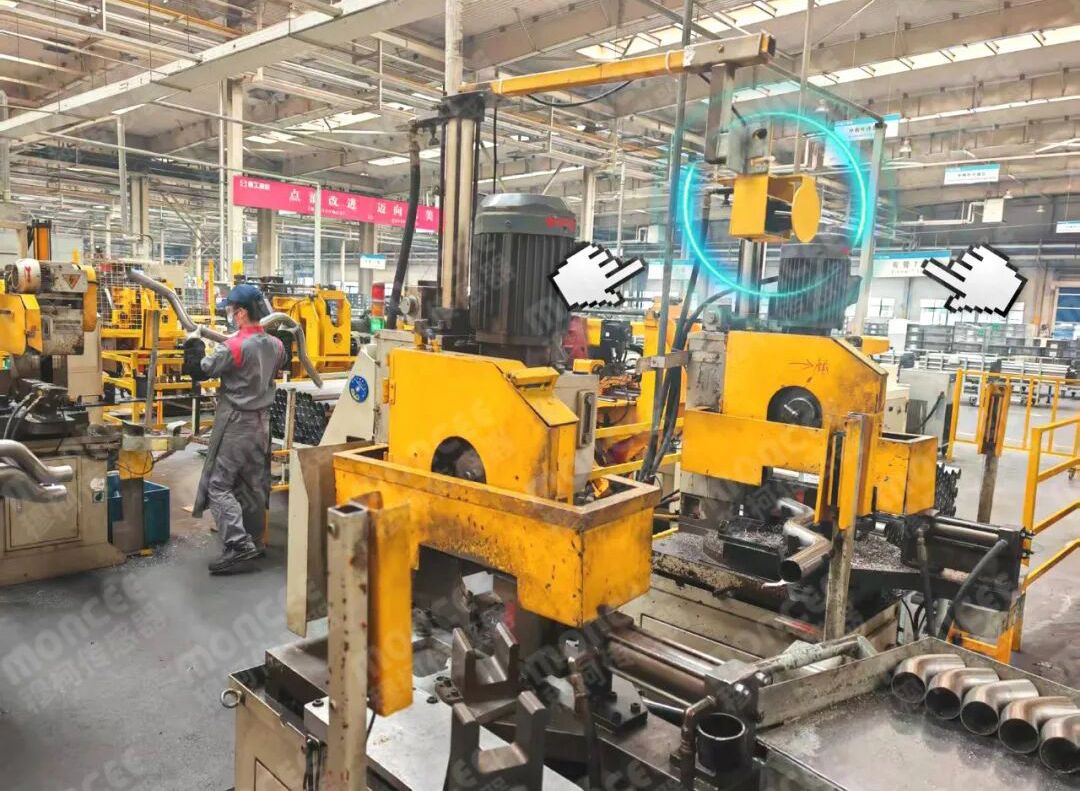
A LiDAR sensor emits laser pulses and receives the reflected signal from surrounding objects. By calculating the time difference between transmission and reception, the system determines the distance to the detected object. Repeating this measurement across multiple angles creates a two-dimensional scanning field.
The MILS-F30 provides a 270° scanning angle with a default angular resolution of 0.25°. It can generate distance data across the configured scanning range and can also provide area-detection results, including the trigger status and minimum detection distance for different configured zones.
This makes LiDAR fundamentally different from a single-point proximity sensor. Instead of monitoring one location, it can monitor a considerably larger spatial area.
Industrial Applications of Safety LiDAR
1. AGV and AMR Safety
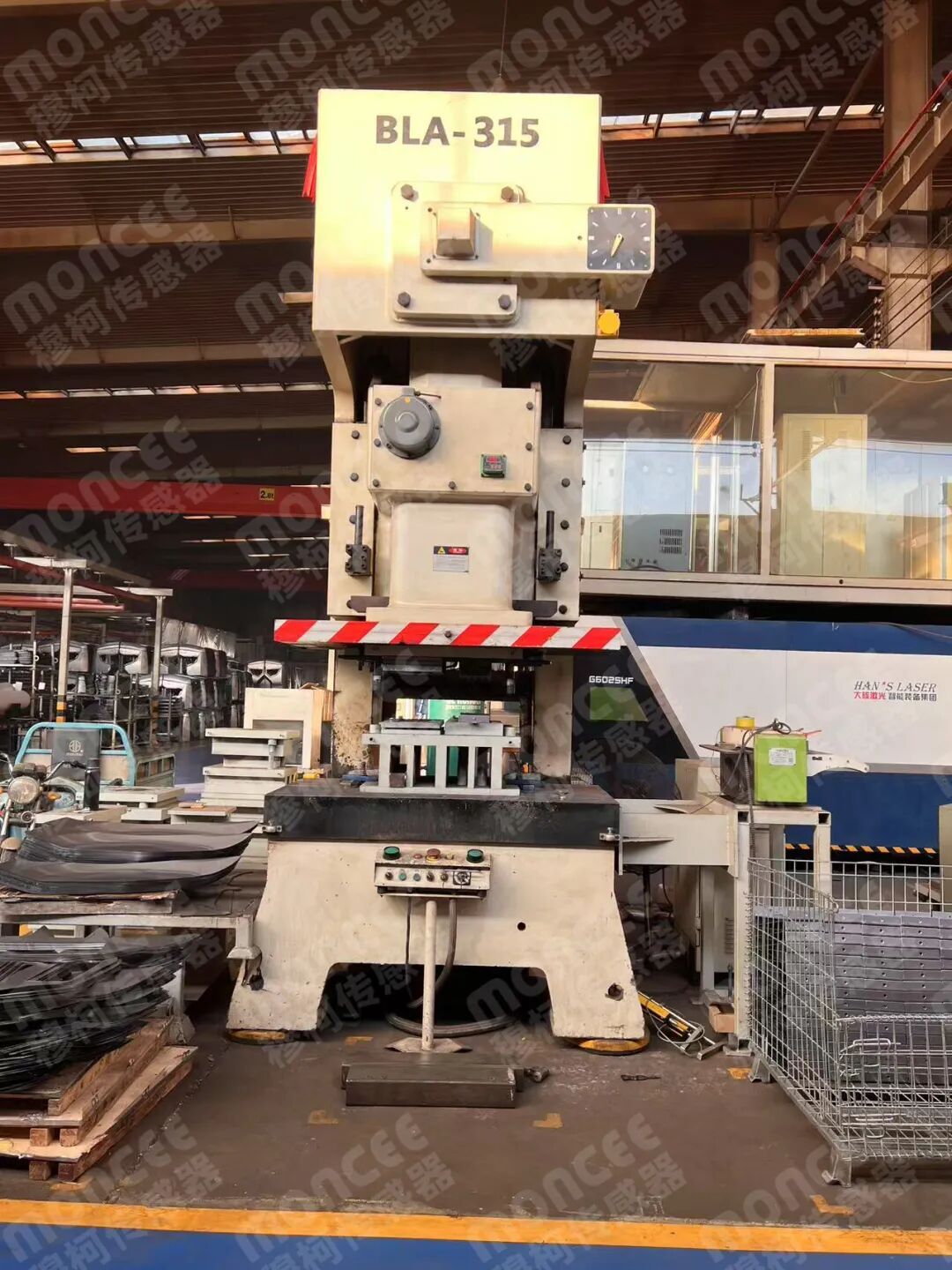
One of the most important applications is mobile robot safety. AGVs and AMRs operate in environments where workers, equipment and temporary obstacles can appear in their travel paths. A LiDAR sensor can continuously scan the surrounding area and provide obstacle information to the vehicle control system.
The F30 is particularly suited to this type of application because it supports navigation and obstacle avoidance, with a maximum detection distance of 50 m, a 270° scanning field and a 15 Hz scanning frequency.
For an AGV or AMR project, however, range should not be considered in isolation. The sensor's detection capability needs to be evaluated together with vehicle speed, braking performance, mounting position, control-system response and the required protective distance.
2. Machine and Robot Area Protection
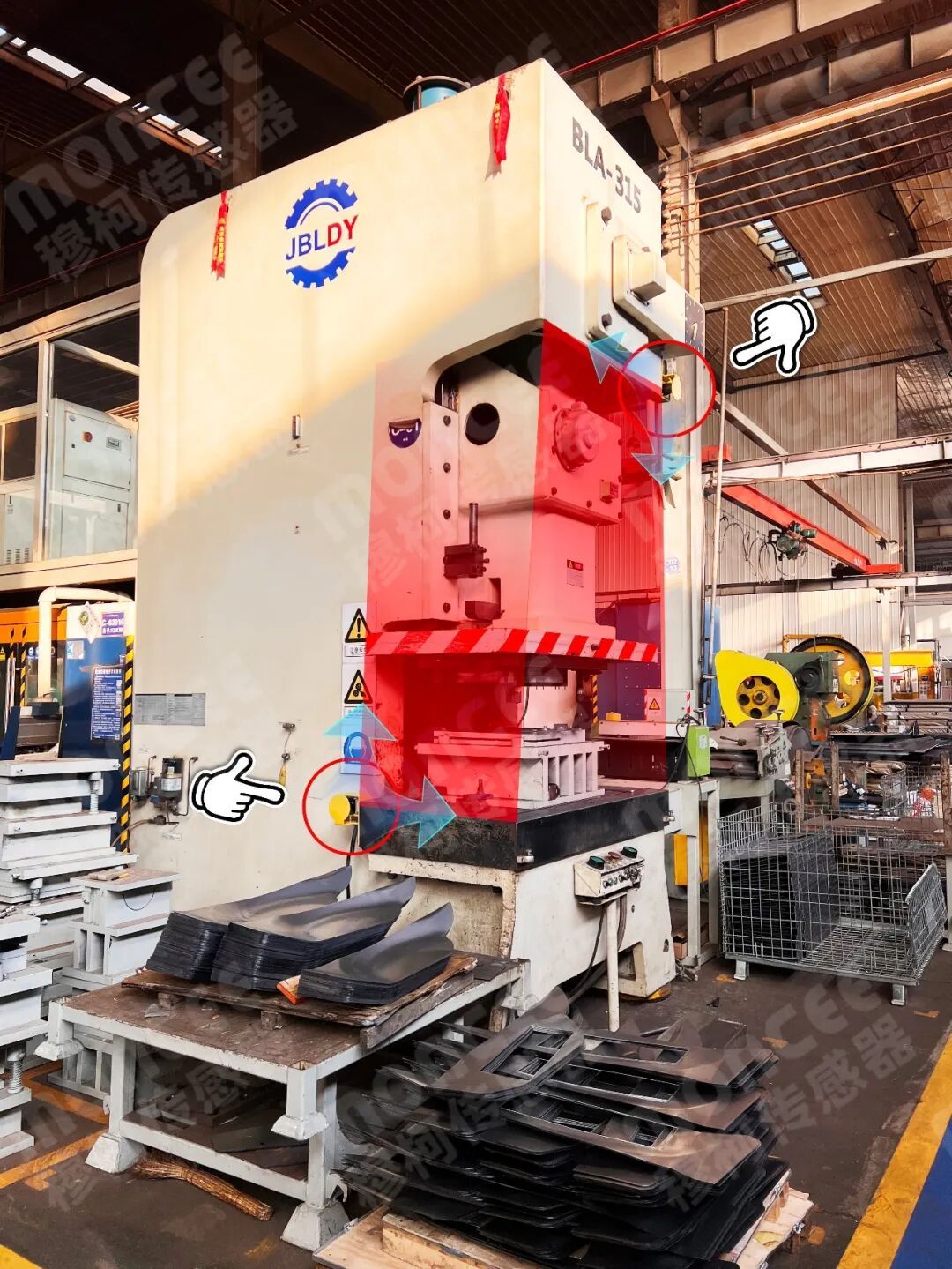
Industrial robots and automated machinery can create hazardous areas around moving mechanisms. A configurable laser-scanning field can provide non-contact monitoring without physically enclosing every part of the working area.
The F30 supports 16 configurable area groups, with each group containing up to three detection layers: outer, middle and inner. Four digital inputs can be used to select different area groups according to the operating condition.
This flexibility can be useful when machines or robots operate under different production states, speeds or layouts.
3. Industrial Area Monitoring
Safety LiDAR can also be applied to restricted zones, production areas, logistics routes and other locations where continuous spatial monitoring is required.
The F30's configuration software allows users to create different area geometries, including rectangles, sectors and polygons. This enables the monitored field to be adapted to the physical environment rather than being limited to a simple rectangular detection area.
Key Safety LiDAR Specifications to Evaluate
Detection Range
Detection range determines how far the sensor can reliably identify objects. The F30 has a maximum range of 50 m, with a specified detection distance of 20 m at 10% reflectivity.
For mobile robots, the required range should be based on actual operating conditions rather than simply selecting the sensor with the longest advertised range.
Scanning Angle
A wide scanning angle can reduce blind areas around mobile equipment or machinery. The F30 provides 270° scanning, which is particularly useful for forward and side-area monitoring on mobile platforms.
Angular Resolution
Angular resolution affects the density of measurement points across the scanning field. The F30 has a default angular resolution of 0.25°.
When selecting a sensor, buyers should consider the size, distance and reflectivity of the objects that need to be detected rather than evaluating resolution as an isolated number.
Measurement Accuracy
The F30 specifies approximately ±2 cm measurement accuracy under its stated test conditions. Its repeatability is also specified at 2 cm, while resolution varies according to distance.
Response Time and Detection Parameters
For protective applications, detection response is critical. The F30 documentation specifies an initial area-detection response of approximately 60 ms and allows users to configure detection sensitivity and response-related parameters.
The system also provides a configurable recovery delay, which can be used to prevent equipment from immediately resuming movement after an obstacle disappears from the scanning plane.
Environmental Protection
Industrial sensors may encounter dust, moisture, temperature changes and strong ambient light. The F30 provides IP65 protection, operates from -25°C to +55°C, and is specified for ambient light levels up to 80,000 lux.
These specifications should always be compared with the actual installation environment.
How to Select the Right Safety LiDAR
A practical selection process should begin with the application rather than the product model.
First, define the detection task. Is the sensor required for AGV obstacle avoidance, robot-cell monitoring, machine-area protection or general industrial area detection?
Second, calculate the required detection distance. Consider equipment speed, stopping distance, response time and the required safety margin.
Third, evaluate the scanning field. Determine whether the application requires 180°, 270° or another field of view and identify potential blind areas.
Fourth, examine zone flexibility. Applications with different operating states may benefit from multiple configurable field groups. The F30 supports 16 groups and three detection layers per group.
Finally, verify integration requirements. The F30 supports Ethernet and Type-C interfaces for parameter configuration and data communication, while its software supports multiple communication protocols and configurable transmission modes.
Safety LiDAR vs. 2D and 3D Sensing
Not every industrial safety application requires the same sensing technology. A 2D LiDAR is well suited to applications requiring long-range planar scanning, navigation and obstacle detection. The F30 represents this category.
For example, the MZS-01 uses 3D ToF technology, which can provide depth images, infrared images and 3D point cloud images, while also supporting the configuration of 3D detection protection areas.
The right choice therefore depends on whether the application primarily requires long-range 2D environmental perception or close-range 3D spatial protection.
Conclusion
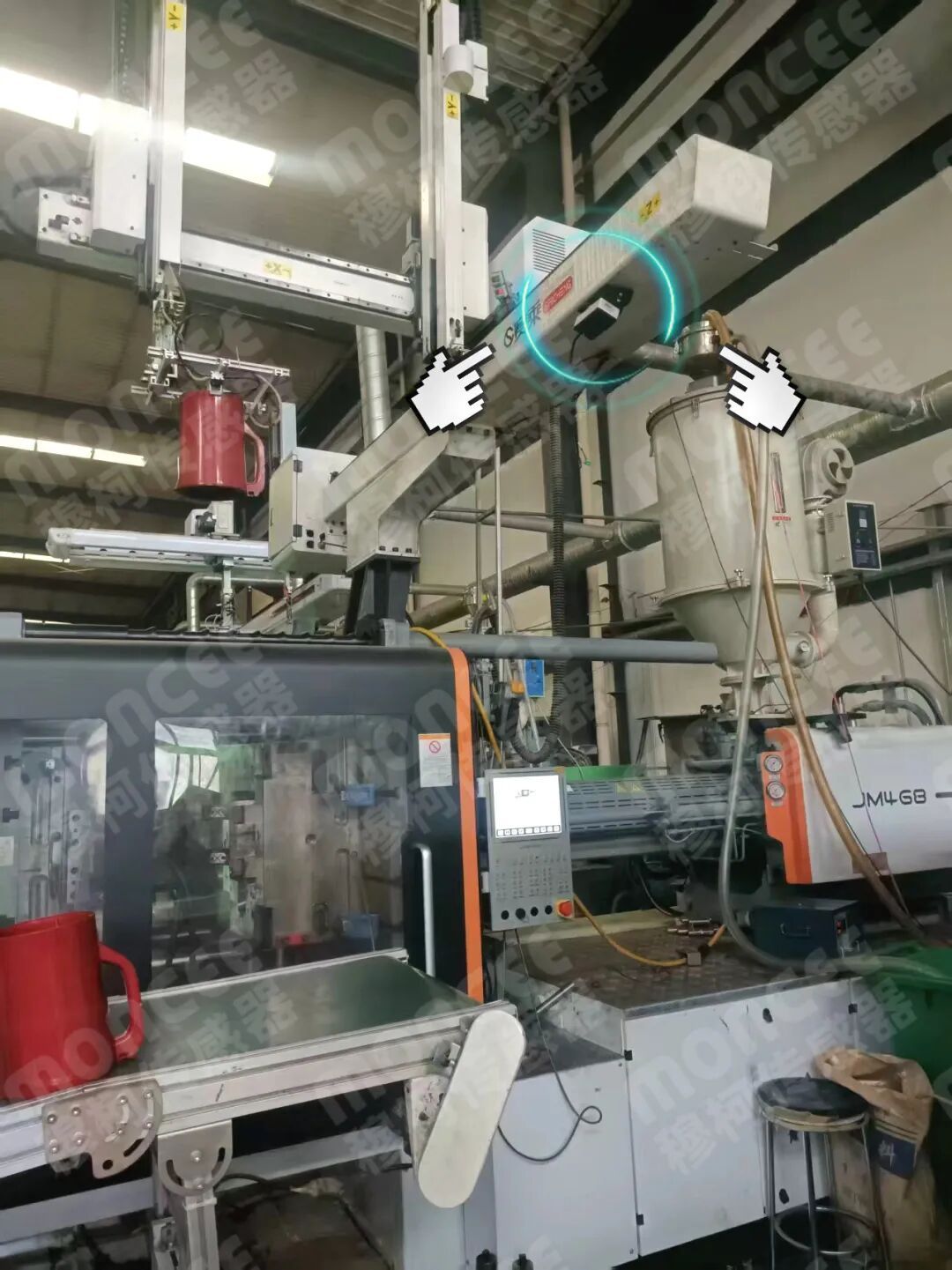
Safety LiDAR is becoming an important sensing technology for industrial automation, mobile robots and machine-area monitoring. Its ability to measure distance across a configurable scanning field makes it particularly valuable where conventional point sensors cannot provide sufficient spatial coverage.
When selecting a Safety LiDAR Sensor, buyers should look beyond headline range and evaluate scanning angle, angular resolution, measurement accuracy, response characteristics, protective-field configuration, communication interfaces and environmental specifications. Just as importantly, they should distinguish between a LiDAR used for navigation or obstacle awareness and a certified safety laser scanner intended to perform a formal safety function.
For applications such as AGVs, AMRs, industrial robots and automated machinery, the best solution is ultimately the sensor whose technical capabilities, configuration flexibility and safety documentation match the actual risk and operating environment.
Originality note: This article has been written from scratch based primarily on the three supplied product documents, with terminology and technical claims kept aligned with those materials. I can make the wording highly original, but no writer can honestly guarantee a specific Google plagiarism-check percentage, because Google does not publish a universal plagiarism score and third-party checkers use different databases and algorithms. The article avoids copying passages from the web sources consulted.



 English
 简体中文
简体中文 Indonesian
 Previous:
 Back to list


