
“Step on it and the machine stops immediately, protecting the last line of defense for industrial safety.” This is the core promise behind industrial safety mats and a key requirement for countless companies when making purchasing decisions. Widely used in high-risk environments such as robotic arms, rubber and plastics processing, and metallurgy, safety mats serve as an “invisible protective shield” for frontline workers. Once they fail, the consequences can include serious injuries, fatalities, and irreversible losses.
Recently, however, a series of exposed safety issues has revealed the darker side of the industrial safety mat industry: high rates of non-compliant products, frequent problems such as deformation and cracking under load, and even fatal accidents caused by safety mat protection failures. Industrial safety mats marketed as “safety compliant” and “high quality” have, in some cases, become nothing more than ineffective equipment, leaving companies caught between “nowhere reliable to buy” and “constant anxiety when using them.”
We spend real money on safety protection—but who is cutting corners behind the scenes? Who can companies trust?
Alarm Bells: A 40% Non-Compliance Rate Reveals the Shocking Reality of Industrial Safety Mats
At present, safety problems within the industrial safety mat industry have become increasingly apparent. The high detection rate of non-compliant products has exposed a range of safety hazards, many of which directly affect personnel and production safety. A significant number of products entering the market have serious safety deficiencies.
More concerning is that some non-compliant products contain excessive levels of hazardous substances, potentially posing long-term health risks. Industrial workshops are often relatively enclosed environments, and prolonged exposure to such substandard safety mats can create hidden health hazards for frontline workers.
Even more serious, some products fail to meet required safety performance standards and cannot withstand the complex conditions of industrial workshops. Once their protective functions fail, they may contribute to serious accidents and cause devastating losses for companies.
In addition, many non-compliant products suffer from mechanical strength and dimensional stability problems. After being run over by equipment, they may deform. Thermal expansion and contraction can cause them to warp or become loose, creating trip hazards in workshop passageways. Some products become severely warped after exposure to environmental conditions and can no longer maintain close contact with the floor, directly resulting in protection signal failures and loss of their safety function.
What is even more concerning is that these non-compliant products do not necessarily come from unknown small manufacturers. Some are even labeled as products from well-known manufacturers, yet still cut corners on critical safety specifications. Taking advantage of lower prices, these products enter workshops of companies of all sizes, becoming hidden “safety time bombs” on the production floor.
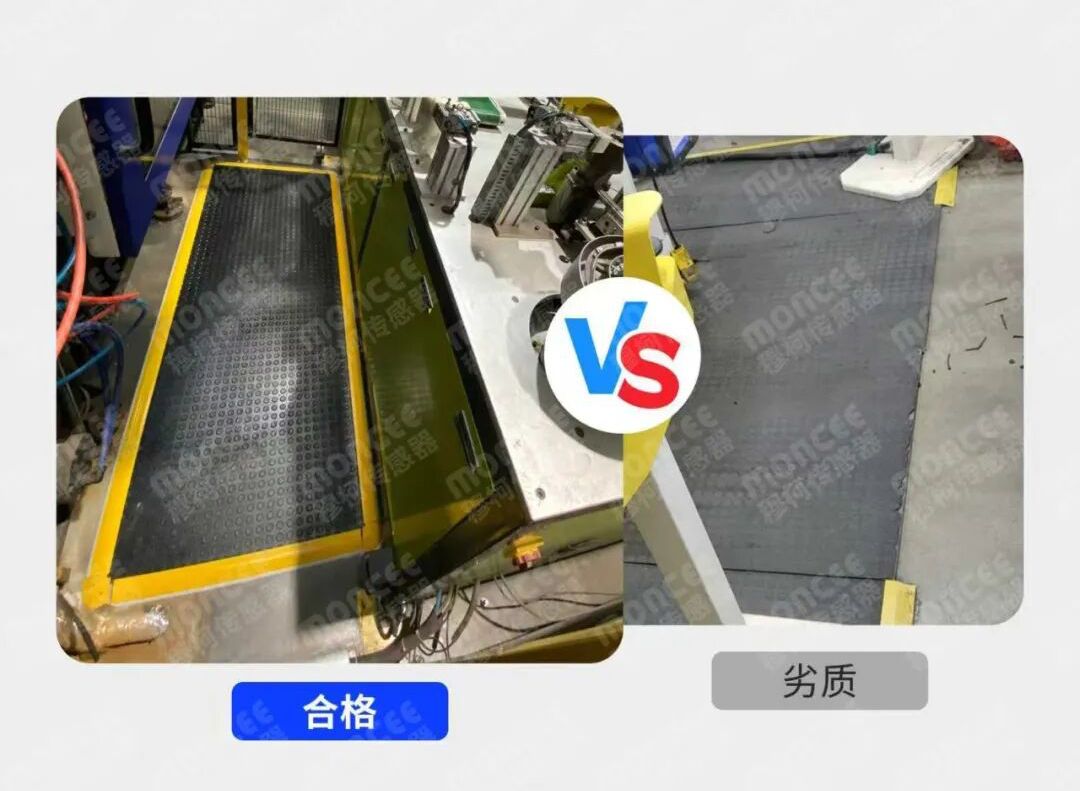
Fatal Tragedies: When Protection Fails, Safety Mats Can Become a “Deadly Trap”
If failed inspections represent only the “tip of the iceberg” of problems within the industry, accidents caused by safety mat failures serve as a far more painful warning. In reality, a number of companies have experienced serious machinery-related accidents due to ineffective safety mat protection, resulting in injuries, fatalities, and substantial financial losses. Every such tragedy is devastating.
Similar hazards exist in many workshops. Some companies choose low-cost, poor-quality safety mats to save money, only to find that they crack or suffer signal failures within months. Some safety mats are made from inadequate materials and cannot withstand repeated equipment loads, resulting in deformation and premature failure. Other companies neglect routine inspection and maintenance and fail to replace defective mats in time, allowing safety hazards to persist.
The core value of an industrial safety mat is preventing accidents before they happen. It is not ordinary flooring material—it represents a critical safety boundary that must not be compromised.
When that safety boundary is compromised by cost-cutting and poor manufacturing practices, the price can be paid in workers’ lives, corporate losses, and a broader crisis of trust throughout the industry.
A common feature of these accidents is that safety mats installed in hazardous workshop areas should have triggered a stop signal when a worker entered the danger zone. Instead, protection failures, abnormal signal transmission, and other problems occurred. In some cases, inadequate supporting safety mechanisms further escalated the danger.
This not only exposes weaknesses in corporate safety management but also highlights the potentially fatal consequences of treating protective equipment such as safety mats as mere formalities. If the safety logic had been properly designed, signal transmission had remained stable, and the supporting safety mechanisms had been properly implemented, some of these tragedies could potentially have been prevented.
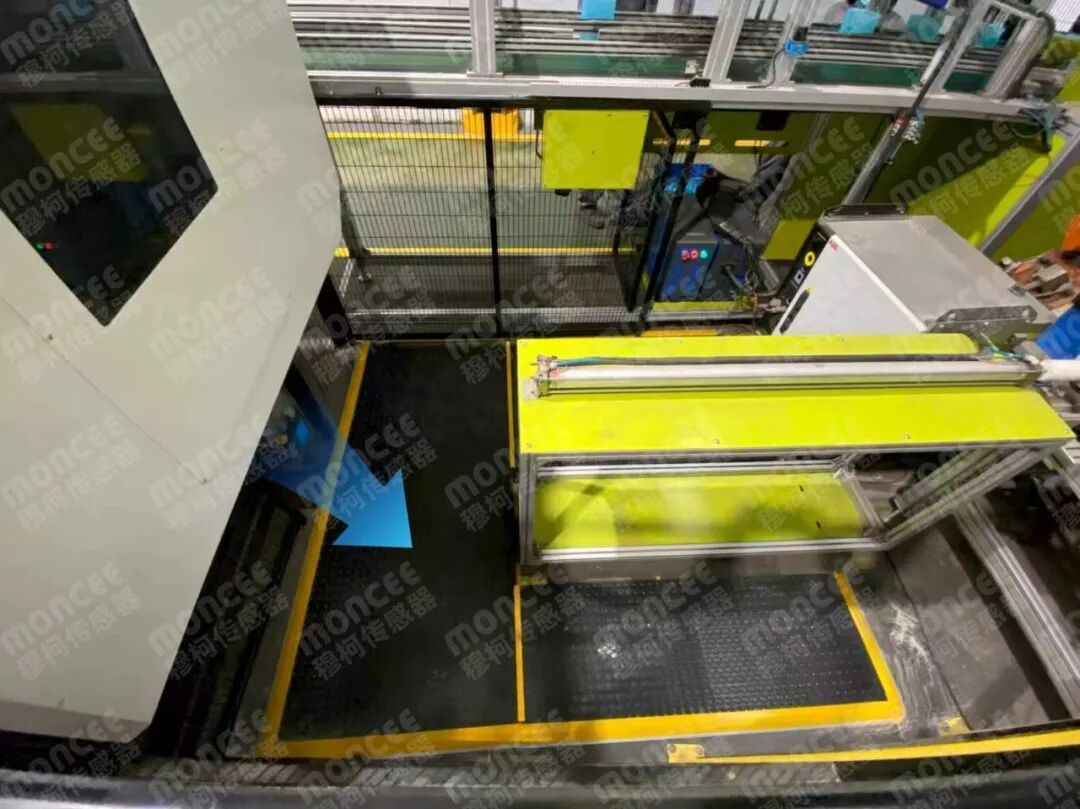
Root Causes: Price Wars + Regulatory Gaps—Who Is Undermining Trust in the Industry?
The repeated failures of industrial safety mats are not accidental. Behind them are two major problems: cut-throat price competition and gaps in oversight, creating opportunities for unscrupulous manufacturers and suppliers.
On the one hand, low-price competition has become an unwritten rule in parts of the industry. As demand for industrial safety products increases, more small manufacturers have entered the safety mat market. Without core manufacturing capabilities or comprehensive testing equipment, some attempt to win market share by cutting costs and compromising materials.
They may substitute low-quality rubber for high-strength protective materials or release products to the market without proper factory testing. These substandard products can be more than 30% cheaper than compliant alternatives, making them highly attractive to small and medium-sized companies focused on cost control. This creates a difficult environment in which reputable manufacturers face the risk of lower-quality products driving higher-quality products out of the market.
On the other hand, some companies place too much emphasis on price and too little on quality during procurement, while lacking professional product-selection and testing expertise. Many purchasing personnel are unfamiliar with the critical specifications of industrial safety mats and focus primarily on price and appearance while overlooking essential safety parameters such as protective performance and signal stability.
Even when companies purchase compliant products, some fail to conduct routine inspections and maintenance. They may not realize that safety mats require periodic checks of signal transmission, surface wear, and overall condition, eventually leading to protection failures.
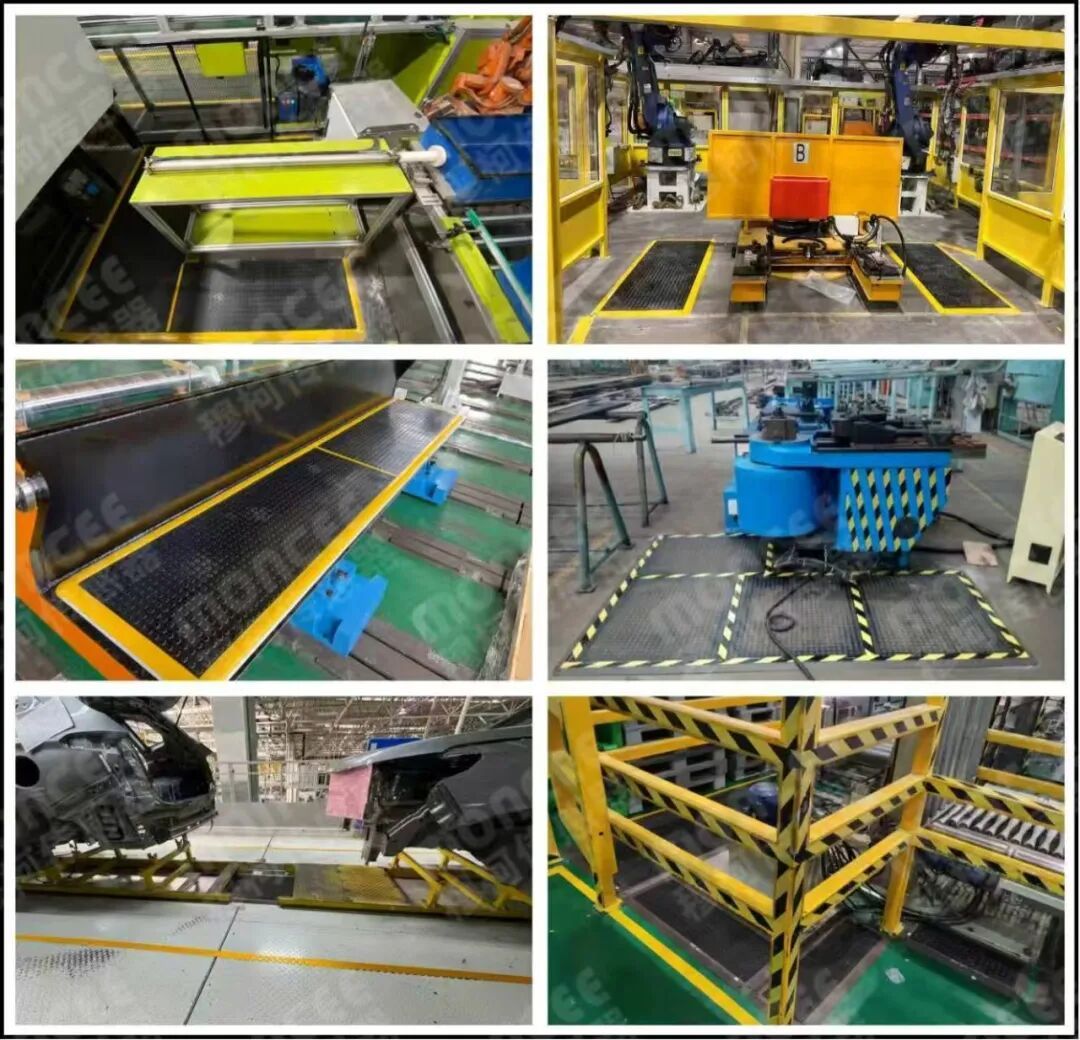
How Companies Can Avoid the Pitfalls: 4 Steps to Choose a Qualified Industrial Safety Mat
Faced with these problems, companies can no longer afford to make safety decisions passively. Every failure to take safety seriously could lead to an irreversible tragedy.
Based on professional industry recommendations, here are four practical steps to help companies avoid substandard products and select reliable industrial safety mats.
Step 1: Choose Reputable Suppliers and Compliant Manufacturers
When purchasing, prioritize reputable manufacturers with genuine R&D and manufacturing capabilities for industrial safety products.
Ask suppliers to provide:
Product inspection certificates
Relevant certification documents
Product specifications and instructions
Warranty documentation
Avoid purchasing products with no identifiable manufacturer, certification, or quality documentation.
At the same time, purchase through legitimate channels, obtain proper invoices, and retain product documentation so that issues can be addressed and claims can be pursued when necessary.
Step 2: Verify the Key Safety Specifications
Regardless of price, carefully verify the product’s core specifications, including:
Safety protection performance
Mechanical performance
Dimensional stability
Signal reliability
Make sure the product meets the applicable safety requirements and maintains stable dimensions and performance under actual operating conditions.
Step 3: Select the Product According to the Actual Working Environment
Choose the appropriate product based on workshop conditions.
For high-temperature, oily, or dusty environments, prioritize models with suitable resistance to heat, water, oil, abrasion, and heavy-duty use.
For narrow passageways, equipment corners, and other special areas, consider elongated or modular safety mats to minimize unprotected areas.
For high-risk machinery, select industrial-grade products with fast response and stable signal transmission, together with an appropriate safety controller, to improve overall protection performance.
Step 4: Prioritize Routine Inspection and Maintenance
After installation, regularly verify signal transmission stability and inspect the mat for:
Surface wear
Deformation
Warping
Cracking
Signal failures
If any abnormality is discovered, stop the equipment and replace the safety mat immediately.
Companies should also strengthen employee training and standardize safety procedures to prevent improper operation from compromising the protection system.
Conclusion: Safety Is Never a Small Matter—Don't Let a “Protective Shield” Become a “Deadly Trap”
When it comes to industrial safety, there is no such thing as “good enough.” The goal must be zero preventable safety hazards.
As the “last line of defense” protecting frontline workers, the quality of an industrial safety mat directly affects the safety of employees, the well-being of their families, and the survival and development of businesses.
Substandard products produced through cost-cutting, procurement decisions based solely on price, and neglect of maintenance can all come at a devastating cost.
Hopefully, the recent failures and controversies within the industry will serve as a wake-up call for everyone involved:
Manufacturers should focus less on short-term profit and more on responsibility and quality. Companies should be more rigorous and less willing to take chances, especially when it comes to procurement, installation, inspection, and maintenance.
After all, in industrial manufacturing, safety is never merely a “cost”—it is the fundamental baseline that cannot be compromised.

May every industrial safety mat truly perform its protective function, may every frontline worker return home safely after every shift, and may the industrial safety industry move beyond disorder and return to its original principle:
Safety first.



 English
 简体中文
简体中文 Indonesian
 Previous:
 Back to list


