
In industrial production environments, many factory owners and procurement teams face the same frustrating question: the equipment is all in place, the production line is running, yet profits just don’t seem to improve. Where is all the money going?
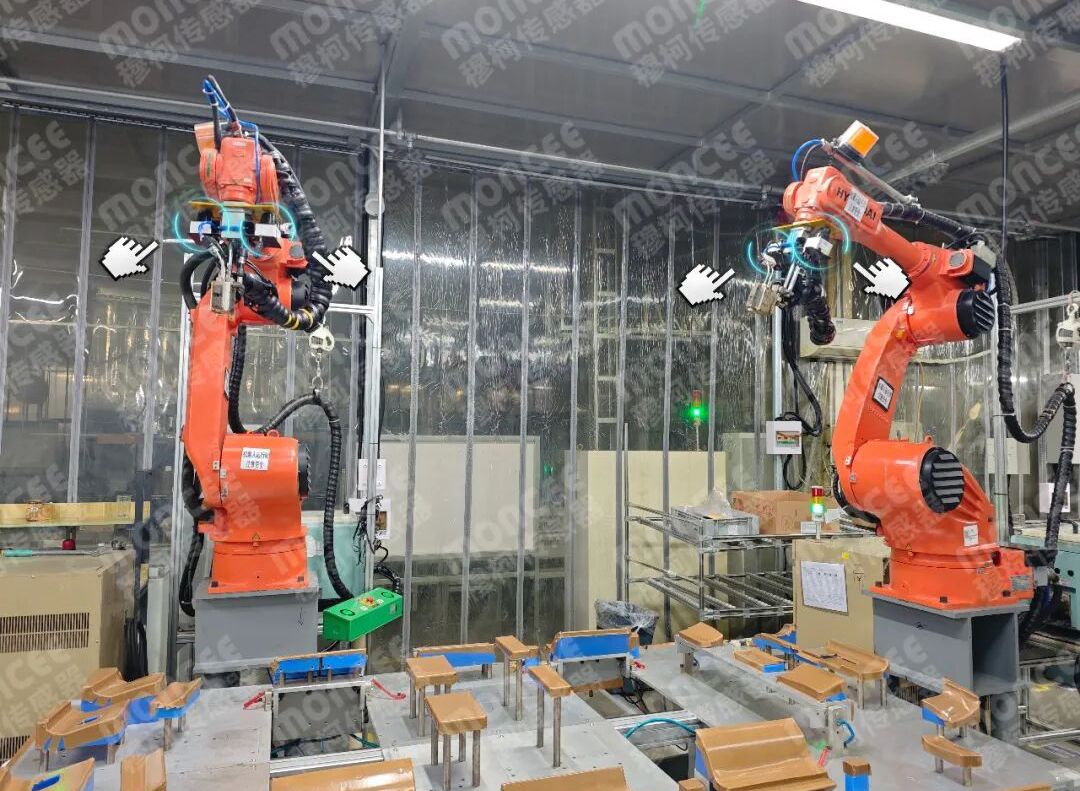
The truth is, your budget may not be disappearing because of major projects or large purchases. Instead, it may be quietly drained by a series of hidden, recurring costs. AGV collisions, robot false triggers, personnel entering hazardous areas, repeated algorithm development, prolonged commissioning cycles… These problems may seem insignificant individually, but over time, they quietly eat away at your costs and profits.
Today, let’s take a closer look at how outdated obstacle-avoidance solutions are draining your budget—and how a reliable 2D industrial LiDAR can help you save money, one cost at a time.
1. Drained by “Blind Spots”: Every Degree of Lost Coverage Means More Risk
Many factories still rely on traditional infrared sensors or photoelectric switches for obstacle detection. They may appear inexpensive, but their limitations can create significant hidden risks.
Their detection ranges are often narrow, their detection angles are limited, and side areas may be left completely uncovered. This can result in blind spots when AGVs turn, missed detection around robots, or undetected personnel entering hazardous work areas.
A single collision can cause anything from minor housing deformation and sensor damage to AGV downtime, robot shutdowns, material scrap, or even serious safety incidents.
Repair costs, production downtime, lost capacity, safety penalties, and other unexpected expenses—all quietly drain your budget.
This professional 2D industrial LiDAR features an ultra-wide 270° scanning angle, covering most of the operating area within the detection plane. Whether monitoring AGV travel paths or safety zones around robots, it provides real-time detection and identifies obstacles in advance, helping prevent collisions, impacts, and false contact before they occur.
Stop accident-related costs before they become actual losses.
2. Drained by “Algorithms”: The More Complicated the Development, the More It Costs
Many LiDAR products on the market only provide raw data output. After purchasing the device, companies still need engineers to develop algorithms, create control logic, configure programs, develop obstacle-avoidance strategies, define triggering conditions, and integrate the system with PLCs.
This not only consumes significant engineering resources and extends project implementation cycles, but immature algorithms can also result in false alarms, missed detections, or delayed responses.
In other words, your budget is being consumed by repeated development, inefficient debugging, and ongoing labor costs.
This LiDAR is designed to eliminate that problem.
No algorithm development is required. Once powered on, it can directly provide obstacle-avoidance functionality. It also supports three independent signal outputs, corresponding to three different actions:
Warning
Deceleration
Stop
Simply integrate the signals into the control system and put them to work—no secondary algorithm development and no dedicated algorithm team required.
This significantly lowers the technical barrier and R&D investment. Every dollar saved on unnecessary development becomes real cost savings.
3. Drained by “Rigid Settings”: If the Detection Area Can't Adapt, Even Expensive Equipment Becomes a Waste
Industrial environments vary dramatically. Aisle widths differ, work areas have different layouts, and operating conditions are constantly changing.
Equipment with fixed detection distances and fixed protection zones may therefore struggle to adapt to real-world working conditions.
If the detection range is too large, the system may trigger frequent false stops and reduce productivity. If it is too small, it may fail to provide adequate protection and leave safety gaps.
You may have purchased plenty of equipment, yet the results still fall short. Your budget is effectively being wasted on a solution that simply doesn't fit the application.
This LiDAR allows users to freely customize the protection area according to actual site requirements.
You can flexibly define:
Warning zones
Deceleration zones
Restricted/stop zones
Detection distances
Zone shapes
Filtering ranges
Whether it is a narrow aisle, an open workshop, or a complex workstation, the system can be configured accordingly.
No unnecessary detection, no missed detection, and fewer false triggers.
One device can adapt to multiple working environments, helping you avoid unnecessary equipment purchases.
4. Drained by “Application Limitations”: When One Device Can't Serve Multiple Scenarios, Costs Multiply
Many factories face another common problem:
They need one system for AGV obstacle avoidance, another for robot safety protection, and perhaps additional equipment for area monitoring.
Different applications mean separate purchasing, commissioning, wiring, and maintenance. This increases equipment variety, reduces compatibility, and raises management costs.
Your budget gets hit repeatedly by unnecessary duplicate investments.
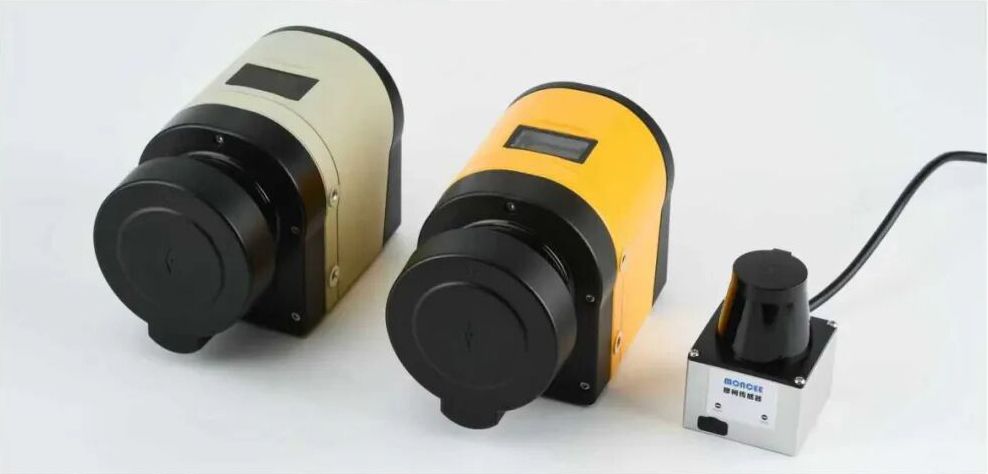
This 2D industrial LiDAR is specifically designed for industrial planar obstacle detection and offers strong application versatility:
For AGVs
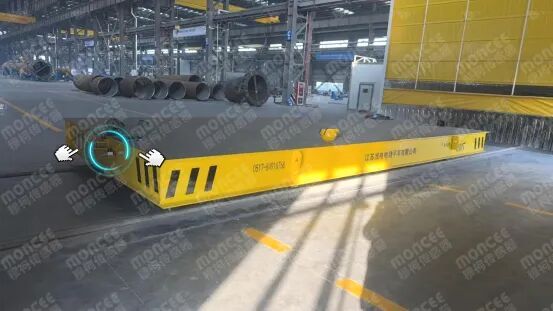
Intelligent obstacle detection and avoidance helps improve automated material-handling efficiency.
For Robot Safety Zones
Creates a virtual safety boundary. When personnel enter the protected area, the system can immediately trigger a stop signal to help protect workers.
For Area Safety Monitoring
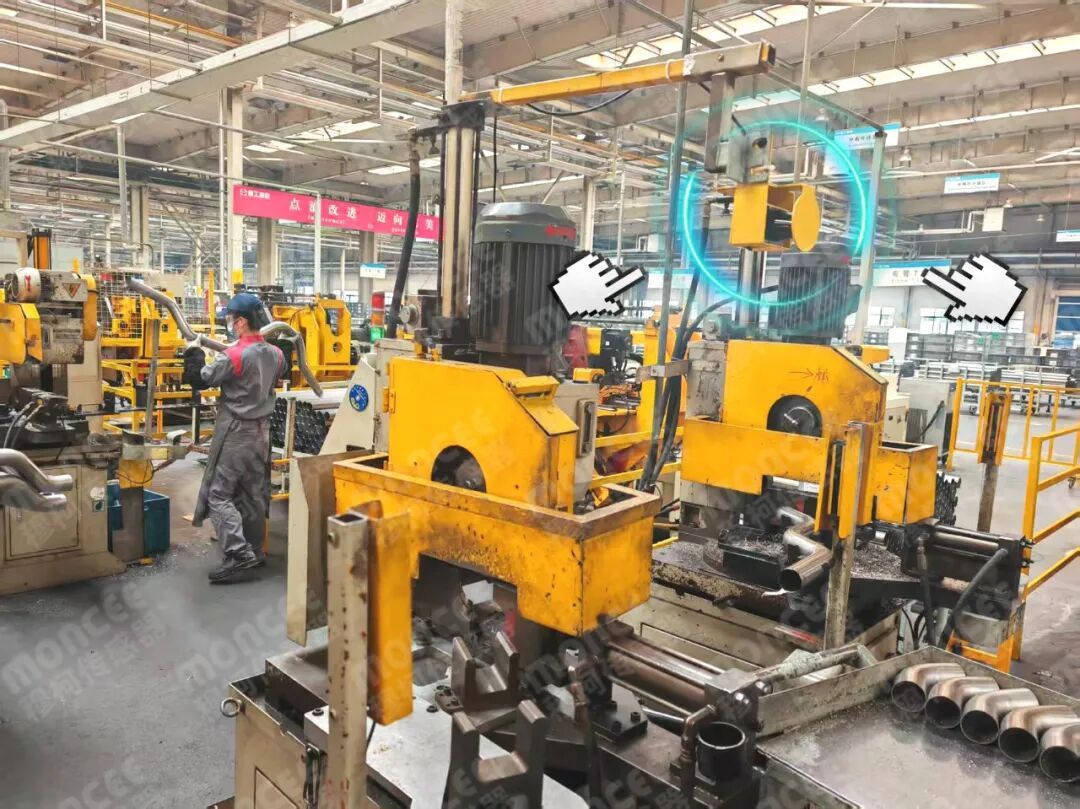
Can be deployed around production lines, warehouses, machinery, and other industrial areas.
One device, multiple applications.
This helps reduce duplicate equipment purchases and wiring costs, simplify deployment, and lower maintenance requirements—ensuring that every investment delivers maximum value.
Real Cost Savings in Industrial Applications
In industrial environments, real cost savings don't come from simply buying the cheapest equipment.
They come from avoiding the hidden costs caused by blind spots, unnecessary algorithm development, rigid configurations, and limited application compatibility.
A reliable 2D industrial LiDAR with:
270° wide-angle scanning
Three independent signal outputs without algorithm development
Flexible protection-zone customization
Versatile AGV and robot safety applications
can help reduce collision-related losses, eliminate unnecessary development costs, improve operational efficiency, and reduce safety risks.
Don't let outdated solutions quietly drain your budget.
Choose the right equipment, protect your people and machines—and protect your profits.



 English
 简体中文
简体中文 Indonesian
 Previous:
 Back to list


