
Every Monday, the automated workshop comes alive again. AGVs, lifting equipment, and intelligent machinery resume synchronized operation. Production ramps back up, and equipment enters another cycle of high-frequency starts and stops, reciprocating movements, and continuous operation.
People often say: A new week means starting from scratch.
But industrial production never truly resets to zero. It is a continuous cycle of operation under demanding working conditions. Equipment does not stop wearing down, risks do not automatically move aside, and every boundary on the production line requires continuous and reliable protection.
Monday is never a rushed restart—it is a quiet continuation of operational endurance.
Automated production is not about achieving peak operating speed for a moment, but maintaining long-term safety and stability. Industrial protection is not about impressive technological gimmicks, but about delivering reliable, responsive protection day after day.
Among the many components used in industrial automation, the Safety Edge serves as a core component of edge protection. Quietly stationed along hazardous equipment boundaries, it becomes a simple yet essential safety barrier for industrial production.
01 Hidden Along Equipment Edges: Unobtrusive Yet Indispensable
Across automated production lines, the Safety Edge is hardly conspicuous.
It has no electronic display or warning lights. It is simply a protective rubber strip installed along the edges and corners of machinery, lifting platforms, moving surfaces, and other potential pinch or collision points.
It is often covered with oil, exposed to dust, and subjected to complex industrial conditions for extended periods, quietly remaining in corners of equipment that are easily overlooked.
Yet every industrial safety professional understands one thing:
The less noticeable a protective component is, the more important it may be to the safety baseline of the production line.
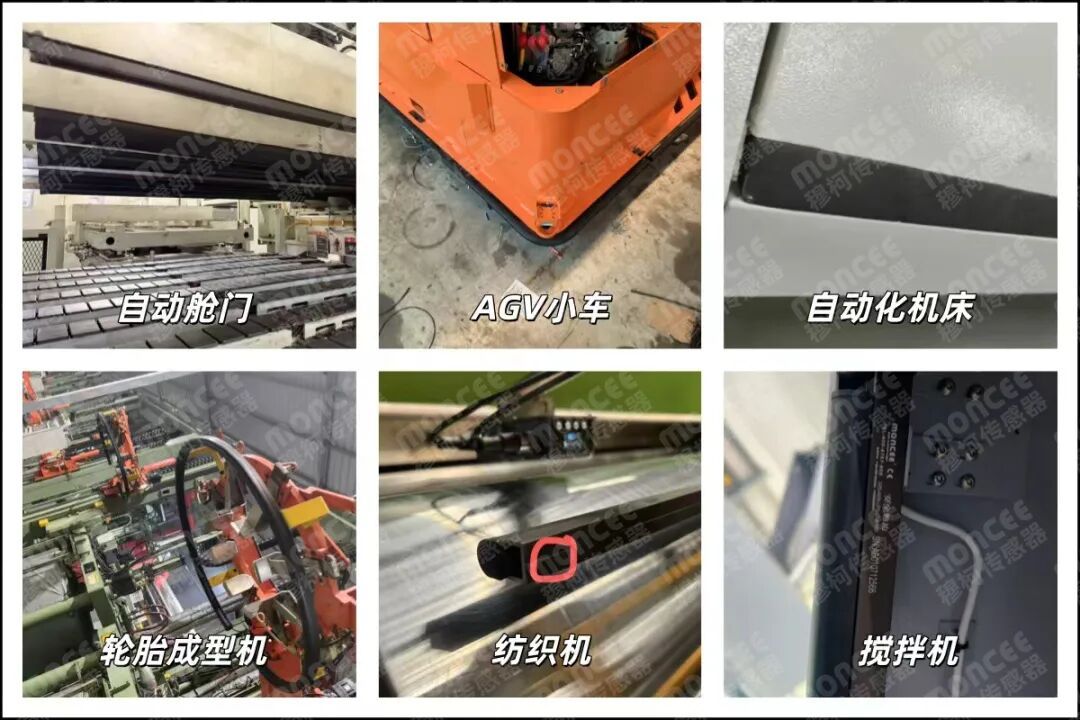
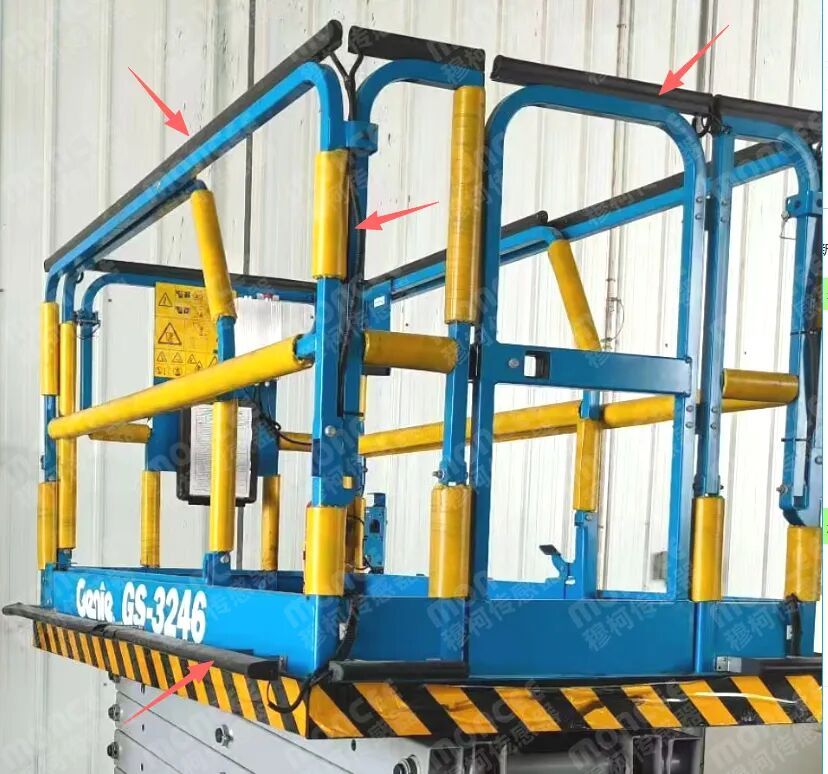
Safety Edges are specifically designed for dynamic collision protection and can be used with AGVs, lifting platforms, automatic doors, material-handling equipment, intelligent warehouse machinery, and various other automated systems.
Unlike photoelectric protection devices, Safety Edges are not dependent on light conditions and are less susceptible to interference from dust or visual obstructions. Their physical contact-based sensing principle makes them particularly suitable for demanding industrial environments.
Contact triggers sensing. Pressure triggers braking.
When accidental collisions, unintended contact, or material jams occur during equipment operation, the Safety Edge can provide millisecond-level signal feedback, immediately interrupting the equipment's operating power and triggering emergency braking and shutdown.
No manual intervention is required. It actively helps prevent crushing, shearing, and collision hazards, stopping potential accidents at the very moment contact occurs.
02 The Real Test Is Continuous Performance Under Everyday Operating Conditions
Ordinary protective rubber strips on the market may appear similar in function, but many cannot withstand the demands of high-frequency industrial operation.
They may perform smoothly and respond sensitively when first installed, but prolonged operation can lead to:
Hardening and cracking
Reduced sensing sensitivity
Loss of elasticity
Compression deformation
In low-temperature environments, inferior materials may become hard and brittle. In high-temperature environments, they may soften and become sticky. Under frequent friction, they can deteriorate rapidly.
Many safety hazards are hidden within this gradual degradation of components.
The true value of an industrial component is never short-term sensitivity, but long-term stability.
Professional industrial-grade Safety Edges are designed specifically for demanding operating conditions. They use high-elasticity, wear-resistant rubber materials with a stable internal conductive structure, providing resistance to compression, bending, wear, and aging.
They can withstand temperature fluctuations, humidity, dust, and continuous vibration in industrial workshops. Even under frequent repeated contact and prolonged compression, they continue to provide reliable triggering, smooth rebound, and stable signal transmission.
They do not lose sensitivity simply because of repeated friction, nor do they fail simply because they have been idle for an extended period.
From Monday to Sunday, from daytime to late night—as long as the equipment is operating, the Safety Edge remains ready to provide continuous protection.
A good Safety Edge does not prove its performance through a single successful trigger. It demonstrates its quality through tens of thousands of stable operations.
03 Close Protection Gaps and Eliminate Risk-Based Safety Practices
In industrial production, many accidents ultimately stem from a mindset of “it probably won't happen.”
Operators may rely heavily on visual observation, assume that no one will enter a blind spot, or simply expect that accidental contact will not occur.
But human attention has inherent limitations.
Fatigue, obstructed vision, and operational errors are unavoidable sources of risk. Photoelectric sensors can have detection blind spots, while rigid mechanical guards may lack the flexibility required for dynamic equipment.
Safety Edges can help close these protection gaps along moving equipment boundaries.
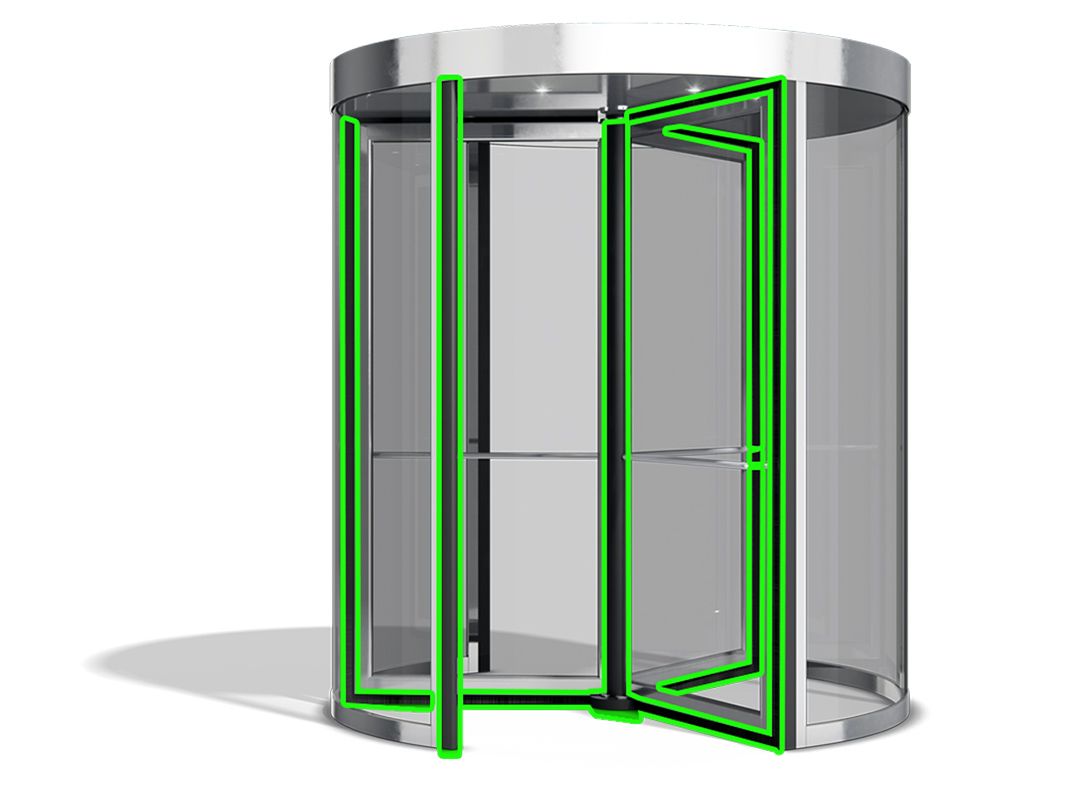
At AGV turning blind spots, gaps beneath lifting equipment, pinch points created by retracting mechanisms, and closing edges of automatic doors, Safety Edges can closely follow hazardous locations and provide continuous protection along moving equipment boundaries.
They serve as:
A collision-buffering layer for equipment
A safety barrier for personnel
An invisible safety valve for the production line
They do not rely on continuous human monitoring and are less affected by environmental interference.
They provide uninterrupted protection.
There is no need to wait for a dramatic accident and then attempt to respond. Instead, protection is applied at the source, using physical contact sensing to reduce the risk of unexpected collisions.
04 Keeping Everyday Operations Stable Is the Foundation of Industrial Safety
Back to the essence of production:
Monday is not a restart. It is a continuation.
Automated production does not need short-lived bursts of impressive performance. It needs stable, consistent output over the long term.
Industrial safety does not need exaggerated protection concepts. It needs reliable protection that stands firm every single day.
The Safety Edge is exactly this kind of dependable guardian in industrial production.
It witnesses every start and stop of the production line, withstands tens of thousands of compression and contact events, and quietly resists the wear and tear of demanding operating conditions.
No unnecessary complexity.
No excessive showmanship.
No compromise in reliability.
With a simple structure, it takes on the critical responsibility of protecting equipment edges, safeguarding personnel, reducing equipment collision damage, and helping lower maintenance and operating costs.
Long-term safe production depends on protective components that may otherwise go unnoticed.
And reliable, uninterrupted operation comes from carefully protecting every boundary where risk may occur.
There is no need to impress for a moment.
What matters is staying reliable every day.
Day after day of dependable protection is the foundation of industrial safety—and the enduring commitment of the Safety Edge.

Every Safety Edge is a line of defense.
Constant sensitivity protects every boundary; long-lasting reliability protects every operation.



 English
 简体中文
简体中文 Indonesian
 Previous:
 Back to list


