
In industrial production and daily operations, safety should always be the top priority. Many companies install safety light curtains, safety guards, and other protective devices to prevent accidents caused by operator errors or unauthorized entry into hazardous areas. However, many overlook a cost-effective and highly versatile protective solution: the Safety Mat.
When people first hear the term “Safety Mat,” they may assume it is simply an ordinary anti-slip, wear-resistant floor mat. In reality, it is much more than that. Today, let’s take a closer look at this relatively niche but highly practical safety device and why it is becoming an essential safety solution across various industries.
1. What Is a Safety Mat? The Working Principle at a Glance
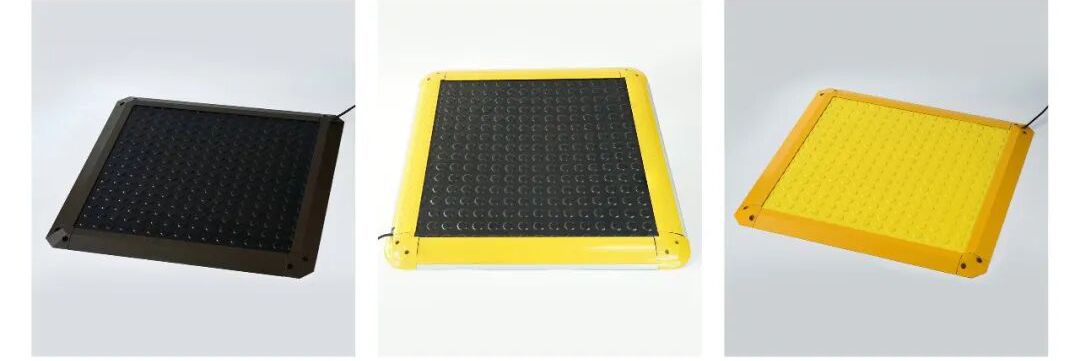
A Safety Mat, also commonly referred to as a Safety Pressure Mat, is essentially a pressure-sensitive safety sensor designed specifically for industrial safety protection. It is simple to install — simply place it directly on the floor within the required protection area.
Its operating principle is straightforward:
When a person or heavy object steps on or applies pressure to the surface of the Safety Mat, the sensing elements inside the mat immediately detect the pressure and rapidly transmit the signal to the connected safety control system.
The system then activates the corresponding safety mechanism and simultaneously controls nearby machinery to perform an emergency stop. This helps prevent accidents such as crushing, impact, and entrapment, protecting operators from injury.
2. Safety Mat vs. Safety Light Curtain: Which One Should You Choose?
Many purchasers and industry professionals wonder: both Safety Mats and popular Safety Light Curtains are safety devices, so what is the difference between them? And how should you choose between them?
The key difference lies in their protection methods and applicable environments.
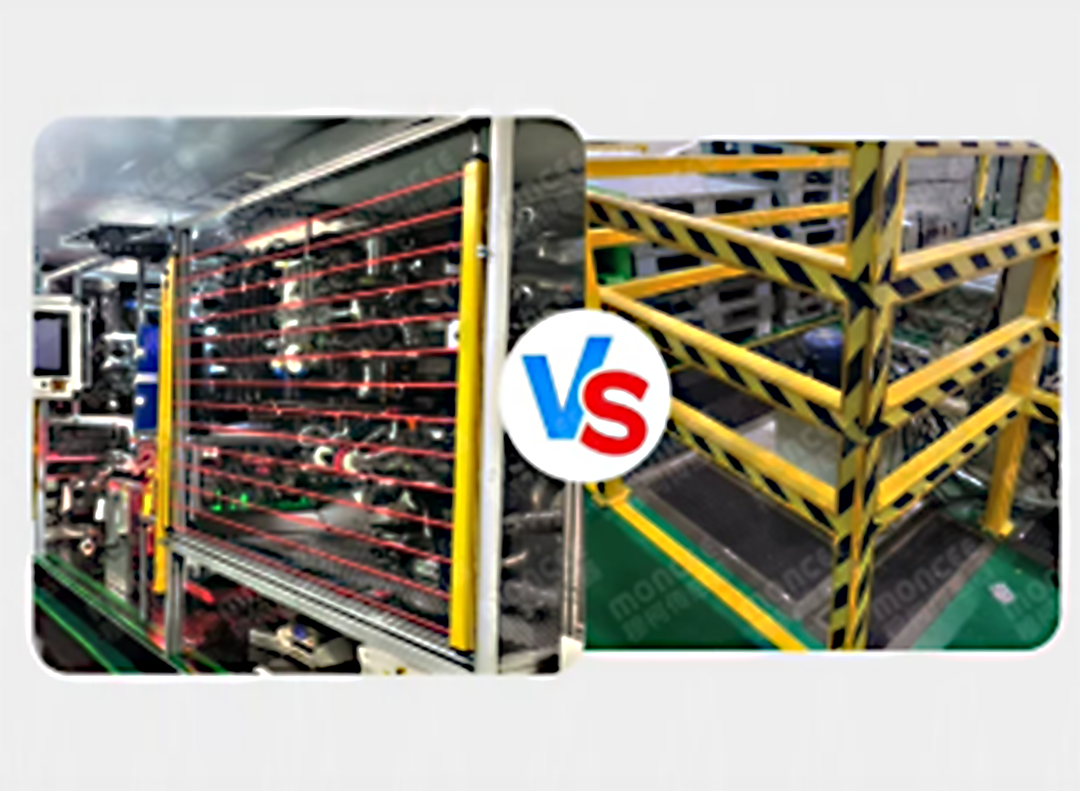
A Safety Light Curtain uses infrared light beams to create a protected detection zone. It is typically installed at the front access points of machinery and is suitable for fixed, straight-line protection.
A Safety Mat, on the other hand, uses pressure-sensitive floor detection. It provides broader and more flexible protection without being restricted by spatial angles, making it particularly useful for covering areas that may be difficult for light curtains to protect.
Compared with Safety Light Curtains, Safety Mats offer strong resistance to environmental interference. They are less affected by strong light, dust, or physical obstructions, making them suitable for complex and demanding industrial environments.
They also offer relatively simple installation and low maintenance requirements, making Safety Mats an economical way to enhance an overall industrial safety protection system.
3. Multi-Scenario Coverage: Suitable for Both Industry and Everyday Applications
One of the biggest advantages of Safety Mats is their versatility. They can be used in demanding industrial environments while also meeting safety and access-control requirements in everyday applications.
Industrial Applications — Core Use Cases
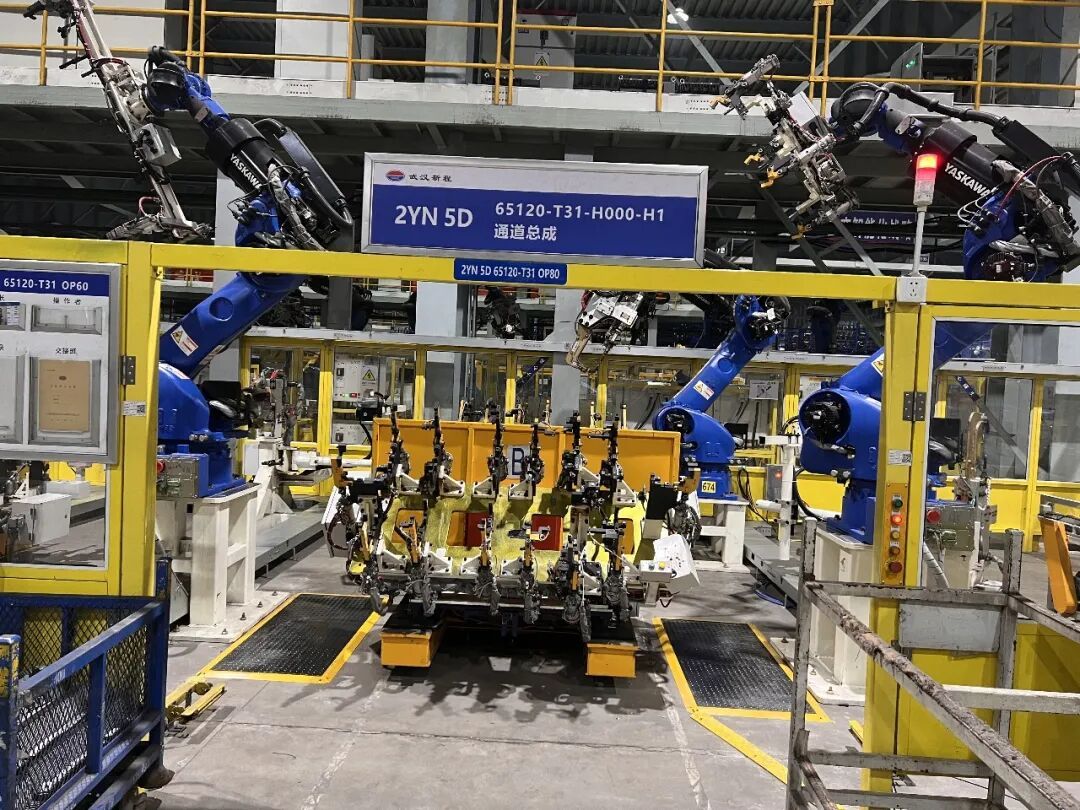
Industrial production is one of the primary application areas for Safety Mats. They can be installed around various types of hazardous automated equipment, including:
Industrial robotic arms
CNC machinery
Stamping equipment
Welding equipment
Automotive production lines
Component processing lines
Automated material-handling areas
If an operator accidentally enters a hazardous operating area, the Safety Mat immediately detects the presence and triggers the safety system to stop the equipment.
This helps prevent machinery-related injuries and equipment collisions, creating an additional safety barrier for frontline workers while helping companies reduce accident risks and operational losses.
Everyday Applications — Practical Safety and Access Control
Safety Mats can also provide useful functions outside industrial environments.
They can be used at:
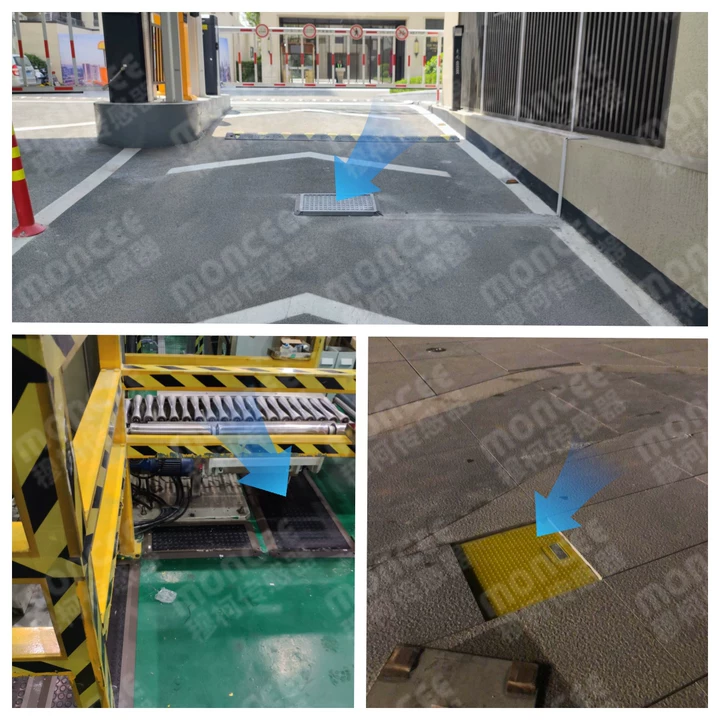
Underground parking garage entrances and exits
Pedestrian passages in residential communities
Smart waste bins
Automatic door entrances
Courtyard access-control areas
In these applications, Safety Mats can detect the presence of people and automatically trigger equipment functions. They can also help prevent children from accidentally entering hazardous areas or vehicles from entering restricted private areas, combining convenience with safety.
Conclusion: Small Footprint, Big Protection
In short, although a Safety Mat may appear simple, it is a versatile safety solution that combines cost-effectiveness, high sensitivity, easy installation, and broad application compatibility.
Whether a company needs to enhance its industrial safety protection system or improve safety and access-control solutions in residential and public areas, a Safety Mat can be a highly cost-effective option.
When it comes to safety, there is no room for taking chances. Instead of dealing with accidents after they happen, it is always better to establish effective protection in advance.
A simple Safety Mat can create an invisible safety barrier around people and equipment — helping eliminate potential hazards with a practical and cost-effective solution.



 English
 简体中文
简体中文 Indonesian
 Previous:
 Back to list


