
When industrial equipment manufacturers search for the top-rated industrial safety bumper brands in the US, they are usually looking for more than a recognizable name. For OEMs, machine builders, automation companies, and system integrators, the right industrial safety bumper must match the equipment's mechanical design, sensing requirements, installation conditions, and control architecture.
The US market includes established safety and automation brands offering pressure-sensitive safety edges, bumpers, and related machine-safety products. Examples include Rockwell Automation, ABB, Schmersal, Bircher, and Mayser.
However, brand recognition should be only one part of the purchasing decision. For an industrial project, product configuration, Trigger Force, Trigger Distance, profile design, customization, technical support, and long-term supply can be equally important.
What Is an Industrial Safety Bumper?
An industrial safety bumper is a pressure-sensitive safety component designed to detect physical contact or compression. When actuated, it can send a signal to an appropriate control system so that the machine can initiate a predefined response.
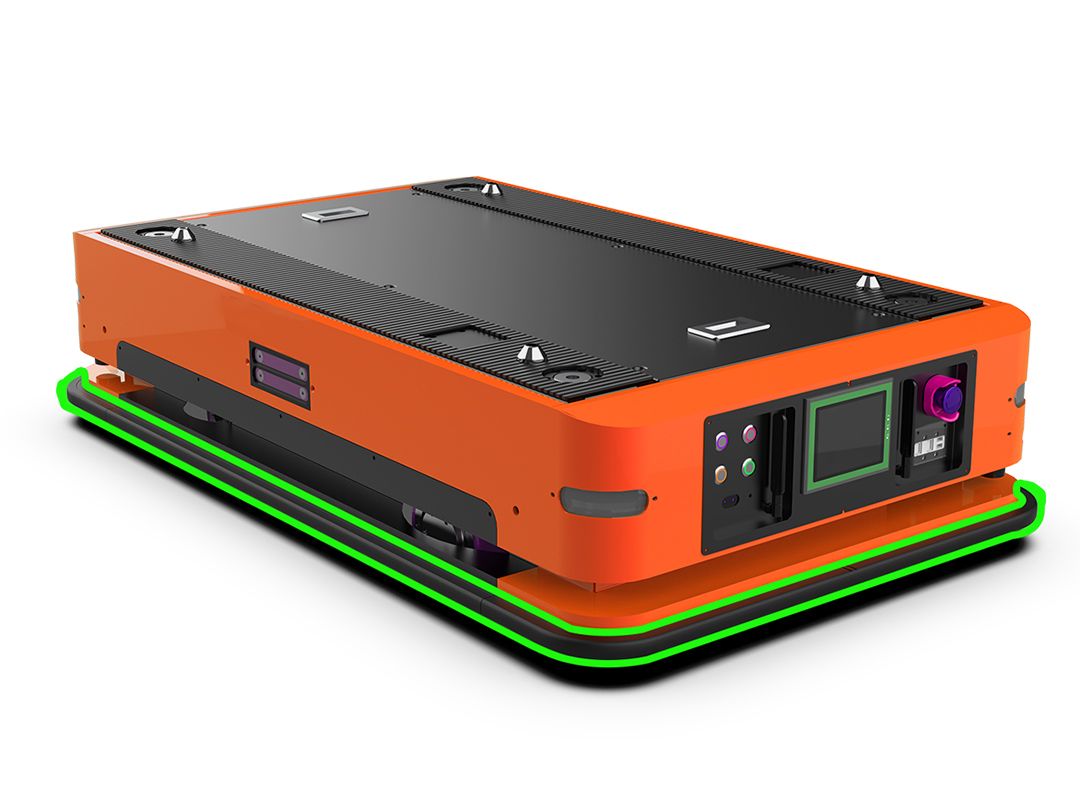
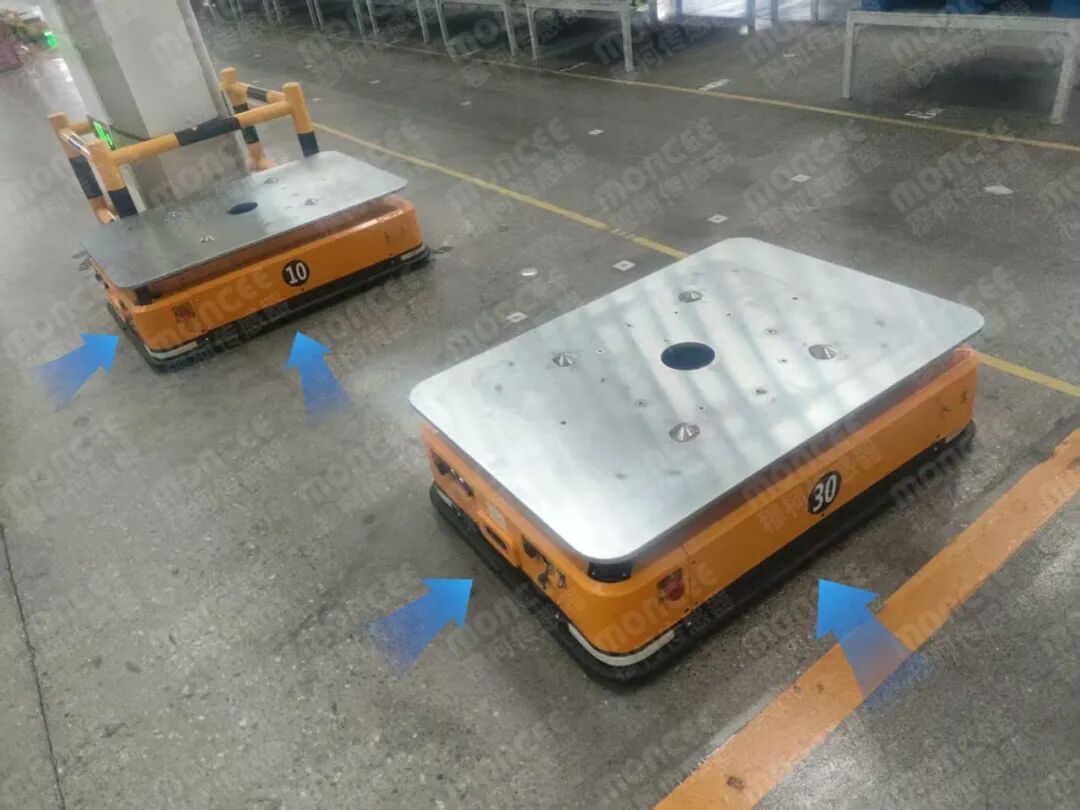
Safety bumpers and Safety Edge products are commonly considered for moving machinery, automated doors, AGVs, material-handling equipment, and other applications where contact with a moving component could create a crushing, pinching, or collision hazard. Industry selection guides also identify physical dimensions, mounting configuration, actuation force, and response characteristics as important purchasing considerations.
For OEM applications, the bumper therefore needs to be treated as a functional component of the machine rather than simply as a protective rubber profile.
Industrial Safety Bumper Brands Buyers Commonly Evaluate
Several established companies have products in the US pressure-sensitive safety market.
Rockwell Automation / Allen-Bradley offers its Guardmaster Safedge product family, including multiple safety-edge profiles, mounting options, and conductive-rubber technology. Its product range is designed for industrial machine-safety applications and includes different profile and cushion configurations.
ABB offers pressure-sensitive safety edges and bumpers for applications involving moving doors, machinery, and automated guided vehicles. Its US product information includes safety edges supplied with mounting profiles and safety bumpers designed for moving machinery.
Schmersal is another established machine-safety supplier with safety-edge solutions for applications involving crushing and shearing points. Its product offerings include optical safety-edge technology and pressure-sensitive safety products.
Bircher provides pressure-sensitive safety systems covering safety edges, bumpers, and other detection products for industrial doors, gates, machinery, and AGV applications. Its systems can be configured for integration with safety relays, safety PLCs, and other control equipment.
Mayser is also listed among manufacturers serving the US pressure-sensitive safety-edge and safety-bumper market.
These companies demonstrate the range of technologies available to US buyers. Nevertheless, OEM customers should compare the actual technical requirements of their equipment rather than selecting a supplier based solely on brand familiarity.
What Makes a High-Quality Industrial Safety Bumper?
A strong industrial safety bumper solution should be evaluated from several engineering perspectives.
1. Profile Design
The profile determines how the bumper fits onto the machine and how it responds to physical contact.
Industrial applications may require different profile dimensions depending on the installation location. A bumper installed on an AGV, for example, may have very different mechanical requirements from a Safety Edge installed on an industrial door.
The profile should therefore be evaluated together with the available mounting space, contact direction, machine structure, and expected operating conditions.
2. Trigger Force
Trigger Force is one of the most important characteristics when selecting an industrial safety bumper.
The required force depends on the application and the way the bumper is expected to respond to contact. Equipment speed, mass, stopping characteristics, contact geometry, and available deformation space can all affect the selection process.
For OEM projects, discussing Trigger Force with the manufacturer before production can help engineers select a configuration that better matches the machine.
3. Trigger Distance
Trigger Distance should also be considered during product selection.
The available deformation and sensing travel need to be compatible with the machine's movement and stopping characteristics. A technically suitable bumper should therefore be evaluated within the complete mechanical system rather than as an isolated component.
This is particularly important for AGVs, AMRs, automated doors, and other moving equipment.
Customization Can Be More Valuable Than Brand Recognition
One limitation of selecting a product solely from a major brand is that the standard configuration may not perfectly match an OEM's mechanical design.
Industrial customers may require:
Specific profile dimensions;
Custom lengths;
Special mounting arrangements;
Different cable configurations;
Application-specific Trigger Force;
Application-specific Trigger Distance;
Customized product configurations for production equipment.
This is where a specialized Safety Edge manufacturer can provide a significant commercial advantage.
For OEM customers, customization allows the safety bumper to be developed around the machine rather than forcing the machine design to accommodate an unsuitable standard product.
Consider the Complete Supply Chain
A reliable industrial safety bumper supplier should be evaluated not only by the initial product price but also by its ability to support the entire purchasing cycle.
For an OEM project, buyers may need:
Technical consultation;
Product selection;
Engineering confirmation;
Sample production;
Testing and evaluation;
Product customization;
Pilot orders;
Volume production;
Repeat supply.
This is particularly important when a safety bumper becomes part of a standard machine design.
A supplier capable of supporting both samples and repeat production can help OEM customers maintain consistency between development and mass manufacturing.
Why Consider a Specialized Industrial Safety Bumper Manufacturer?
Large automation brands can be an excellent choice when customers require an established product ecosystem or specific integration requirements. However, OEMs should also consider specialized manufacturers when flexibility, customization, and direct technical communication are priorities.
A specialized manufacturer can focus more closely on the physical design of the Safety Edge, product dimensions, cable configuration, Trigger Force, Trigger Distance, and customer-specific installation requirements.
For manufacturers producing AGVs, AMRs, industrial doors, material-handling equipment, packaging machinery, and other automated systems, this flexibility can be commercially valuable.
How to Choose the Right Brand for Your Project
Instead of asking only, “Which is the best industrial safety bumper brand?”, purchasing teams should ask:
Does the profile fit my equipment?
Is the Trigger Force suitable?
Is the Trigger Distance appropriate?
Can the required length be supplied?
Can the product be customized?
Does the wiring configuration match the control system?
Can samples be provided before volume production?
Can the supplier support repeat OEM orders?
Can the manufacturer provide technical assistance during product selection?
These questions create a more practical comparison between suppliers.
A Strong Alternative for OEM and Automation Projects
For companies evaluating industrial safety bumper suppliers in the US, established international brands are not the only option. A specialized manufacturer can provide a competitive alternative when the project requires customized dimensions, application-specific configurations, flexible ordering, and direct engineering communication.
For OEM customers, the goal should not simply be to purchase the most recognizable industrial safety bumper. The better objective is to identify a supplier whose product characteristics and manufacturing capabilities match the machine's actual requirements.
If you are sourcing an industrial safety bumper for an AGV, AMR, industrial door, automated machine, material-handling system, or other OEM application, provide the supplier with your equipment drawings, installation dimensions, required bumper length, operating speed, contact direction, Trigger Force requirements, Trigger Distance requirements, wiring configuration, and expected order quantity.
A professional Safety Edge manufacturer can then evaluate the application, recommend an appropriate configuration, provide samples for testing, and support the transition from prototype development to volume production.
The right industrial safety bumper is not necessarily the product with the biggest brand name—it is the solution that fits the machine, satisfies the application requirements, and can be reliably supplied throughout the product lifecycle.



 English
 简体中文
 Indonesian
 Previous:
 Back to list


