
In the sheet metal fabrication industry, press brakes are essential forming machines widely used for bending and box-forming operations on various types of metal sheets. When relocating equipment, replacing old machines with new ones, or operating machines from multiple brands, many companies face a key question:
Can a press brake safety protection device be used across different machines?
Whether switching from an older press brake to a newer model or transferring a protection device between press brakes from different manufacturers, users naturally want a clear and reliable answer. This article explains the issue of compatibility based on basic press brake operation and the working principle of press brake safety protection devices, providing practical guidance for equipment upgrades, retrofits, and component reuse.
1. Basic Press Brake Knowledge and Operating Logic
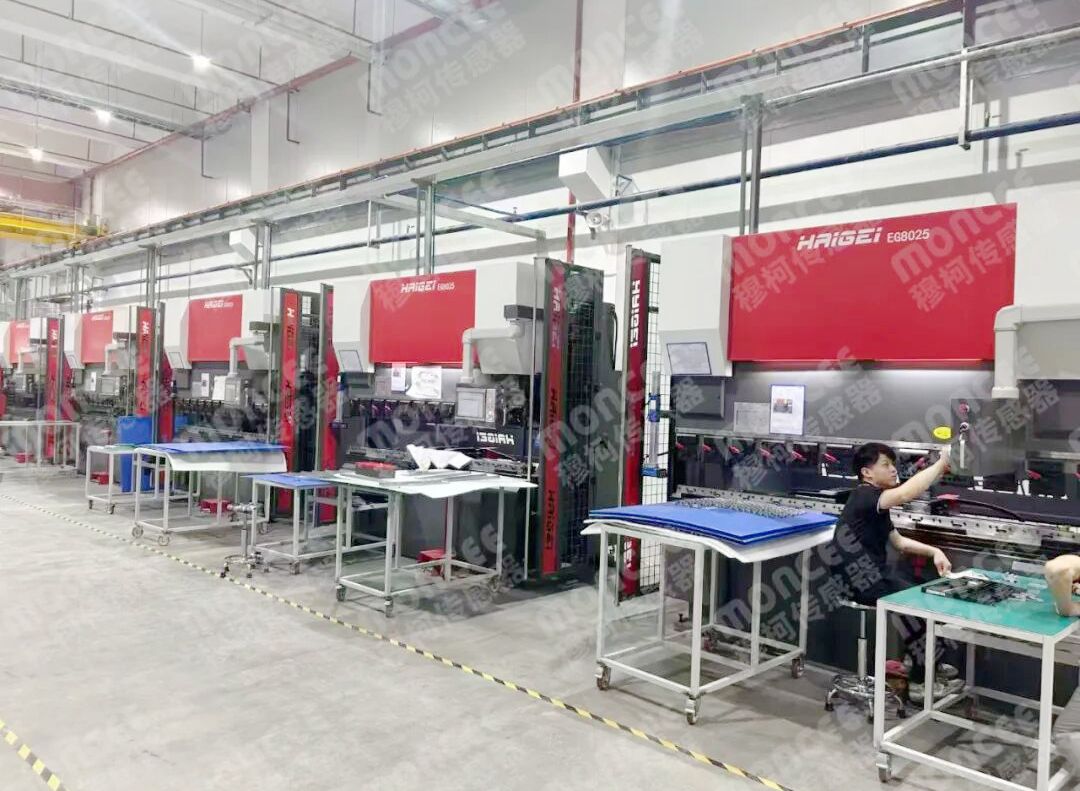
A press brake is a specialized machine tool that bends and forms metal sheets by moving a ram vertically and applying pressure through the upper and lower dies. Common types include hydraulic and CNC press brakes, which can accommodate various applications involving thin sheets, thick plates, and irregularly shaped workpieces.
During normal operation, the downward movement of the press brake ram consists of two key stages—rapid approach and slow-speed working stroke. These two stages also form the basis of the protection device's operating logic.
Rapid Approach Stage:
The ram moves downward at high speed. During this stage, operators may still have their hands around the die area to assist with positioning, creating a potential risk of hand crushing or entrapment.
Slow-Speed Working Stage:
After the ram reaches the preset working point, it switches to a slower pressing mode. At this point, the sheet has been initially positioned, the operator's hands have moved away from the hazardous area, and the machine enters the normal bending operation.
2. Core Working Principle of a Press Brake Safety Protection Device
A press brake safety protection device is specifically designed for press brake operating conditions. Its primary purpose is to prevent operators from being injured during the downward movement of the ram and to provide protection for most industrial press brake applications.
Unlike conventional general-purpose safety light curtains, it uses a segmented intelligent protection strategy.
During the rapid approach stage, the protection device continuously monitors the hazardous operating area. If an object or a person's hand enters the protected zone, the system immediately activates the safety function and stops the machine, helping prevent accidents such as crushing and hand entrapment.
Once the ram reaches the preset slow-speed working point, the protection device automatically releases the protective function. The machine can then continue with low-speed pressing, bending, and box-forming operations.
This ensures operator safety without interfering with bending accuracy or production efficiency, achieving a balance between safety protection and practical manufacturing requirements.
3. Can Press Brake Safety Protection Devices Be Used Across Different Machines?
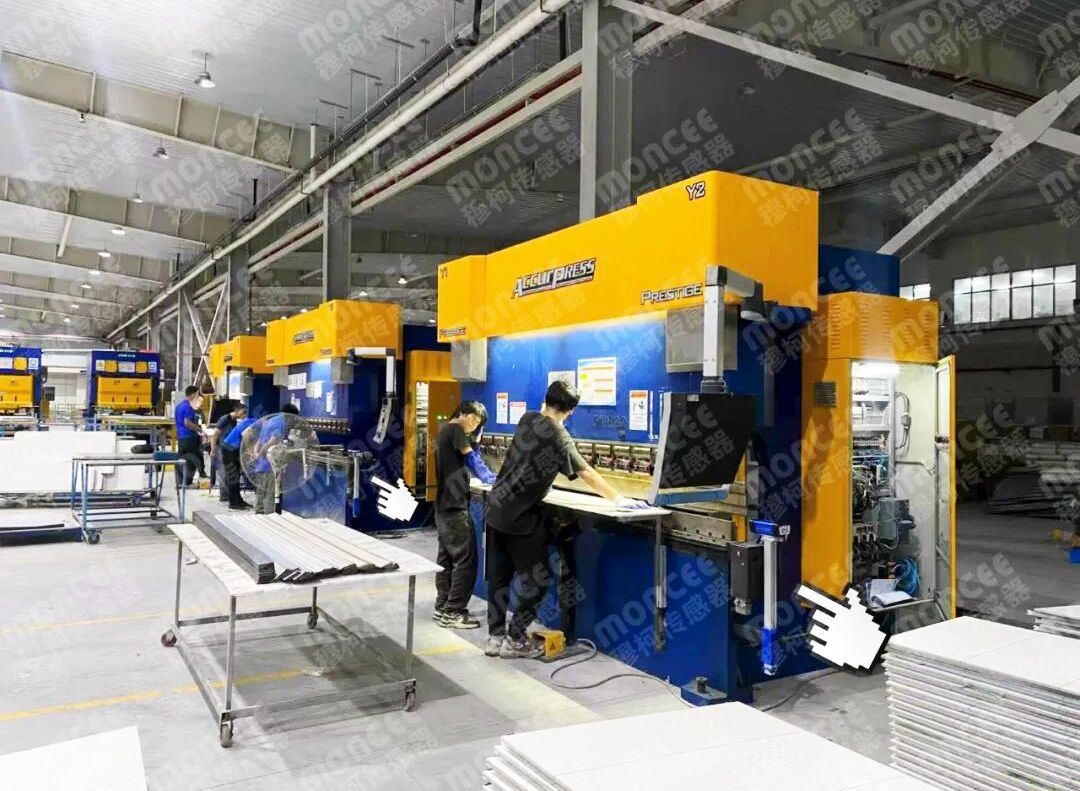
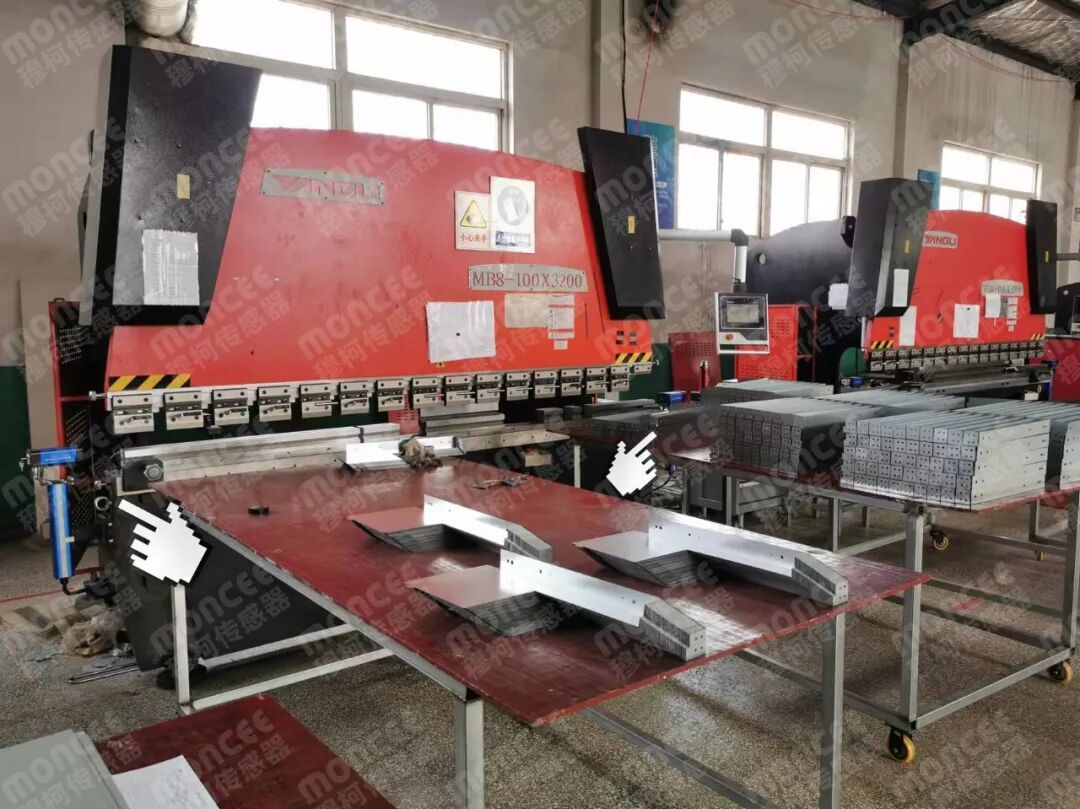
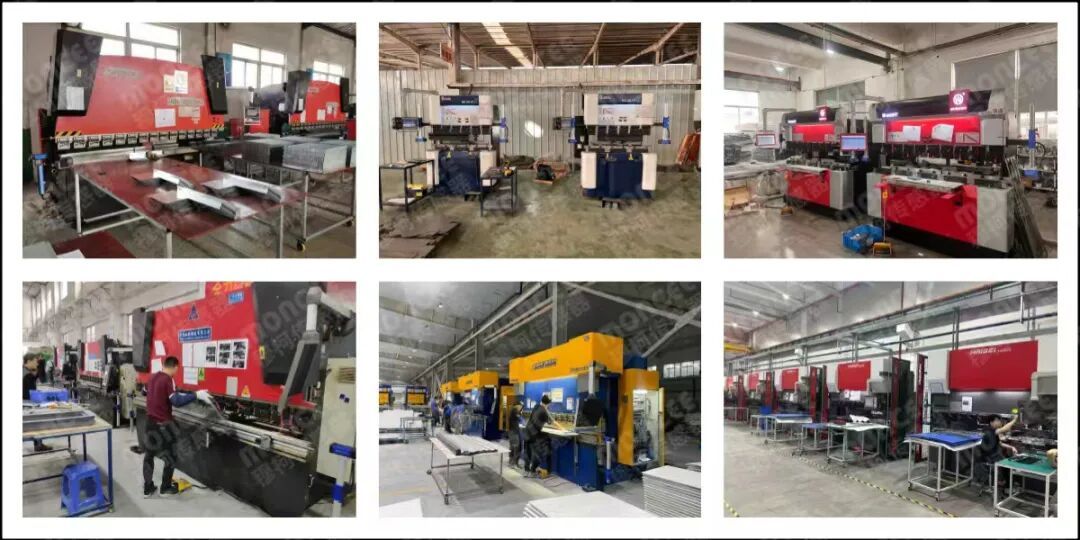
Regarding cross-machine, cross-model, and cross-brand compatibility, industry equipment standards and practical experience indicate that most dedicated press brake safety protection devices on the market have a high degree of compatibility.
Whether transferring a protection device from an older press brake to a newer machine or moving it between press brakes from different brands and models, the working principles, signal interfaces, and basic mounting structures of mainstream protection devices are generally similar.
In many cases, the device can be reused without extensive machine modifications, making it suitable for:
Equipment relocation
Temporary machine replacement
Equipment upgrades
Reuse of existing safety components
Transitional production arrangements
This can significantly reduce equipment modification and component procurement costs.
4. Even with High Compatibility, These Parameters Must Be Matched Before Installation
Although many press brake protection devices have a high degree of hardware compatibility, it is not recommended to simply remove the device from one machine and immediately install it on another, especially in an emergency.
Before transferring the protection device, the following key parameters should be checked and properly commissioned:
1. Press Brake Working Table Width
Confirm whether the original device's protective detection range can cover the entire working length of the new press brake.
For large-format press brakes, insufficient detection range may leave unprotected areas at both ends of the machine.
2. Electrical Cabinet Location and Electrical Interfaces
Different press brake brands may have different electrical cabinet locations and terminal layouts.
The wiring may need to be reconfigured to connect the slow-speed working signal and safety circuit correctly. Incorrect wiring may result in the protection function failing or the press brake being unable to perform normal bending operations.
3. Rapid Approach and Slow-Speed Stroke Parameters
Different press brakes may have significantly different hydraulic stroke settings and working-point positions.
After transferring the protection device, these parameters should be recommissioned and adjusted. Otherwise, problems such as insufficient protection during the rapid approach stage or frequent false stops during box-forming operations may occur.
4. Machine Mounting Structure
Some press brakes have specially designed upper beam structures. In such cases, the original mounting brackets may not be compatible with the new machine.
A matching mounting bracket may therefore need to be replaced to ensure that the protection device is securely installed and correctly positioned.
Conclusion
Although press brake safety protection devices generally offer strong cross-machine compatibility, they are not universally interchangeable without adjustment.
For non-urgent applications where long-term stability and reliable operation are the priorities, direct transfer and installation without proper compatibility checks and commissioning are not recommended.
The correct approach is to evaluate the machine's working width, electrical interfaces, rapid/slow stroke parameters, and mounting structure before installation. This ensures that the protection device can deliver reliable safety performance while maintaining the press brake's normal production efficiency.



 English
 简体中文
简体中文 Indonesian
 Previous:
 Back to list


