
Workshop accidents happen every year, but this year seems especially bad! Press brake hand injuries, robot collisions, conveyor-line crush injuries… Everywhere online, people are saying: spend a few thousand yuan on a “safety mat”, and the machine will stop immediately when someone steps on it, potentially saving hundreds of thousands in annual injury-related costs.
Yet when it comes to purchasing safety equipment, some companies spend a little and solve a major problem, while others buy a whole range of safety devices and still experience accidents—or fail safety inspections.
So let’s make one thing clear today: not every workshop can install a safety mat, and not every safety mat will work effectively. There are three “hidden barriers.” If you hit even one of them, you could end up wasting both money and effort!
1. First, Understand This: It’s Not an Ordinary Floor Mat — It’s an “Industrial Safety Switch”
A safety mat, also known as a safety floor mat, is essentially a pressure-sensitive safety switch installed on the floor.
Dual-layer membrane switch: A pressure of ≥30 kg triggers the safety signal and can stop the machine within 30 ms, significantly faster than human reaction time.
Durable construction: A wear-resistant rubber surface with an aluminum-alloy edge frame provides resistance to oil, abrasion, acids, alkalis, and heavy loads, allowing it to withstand years of workshop use.
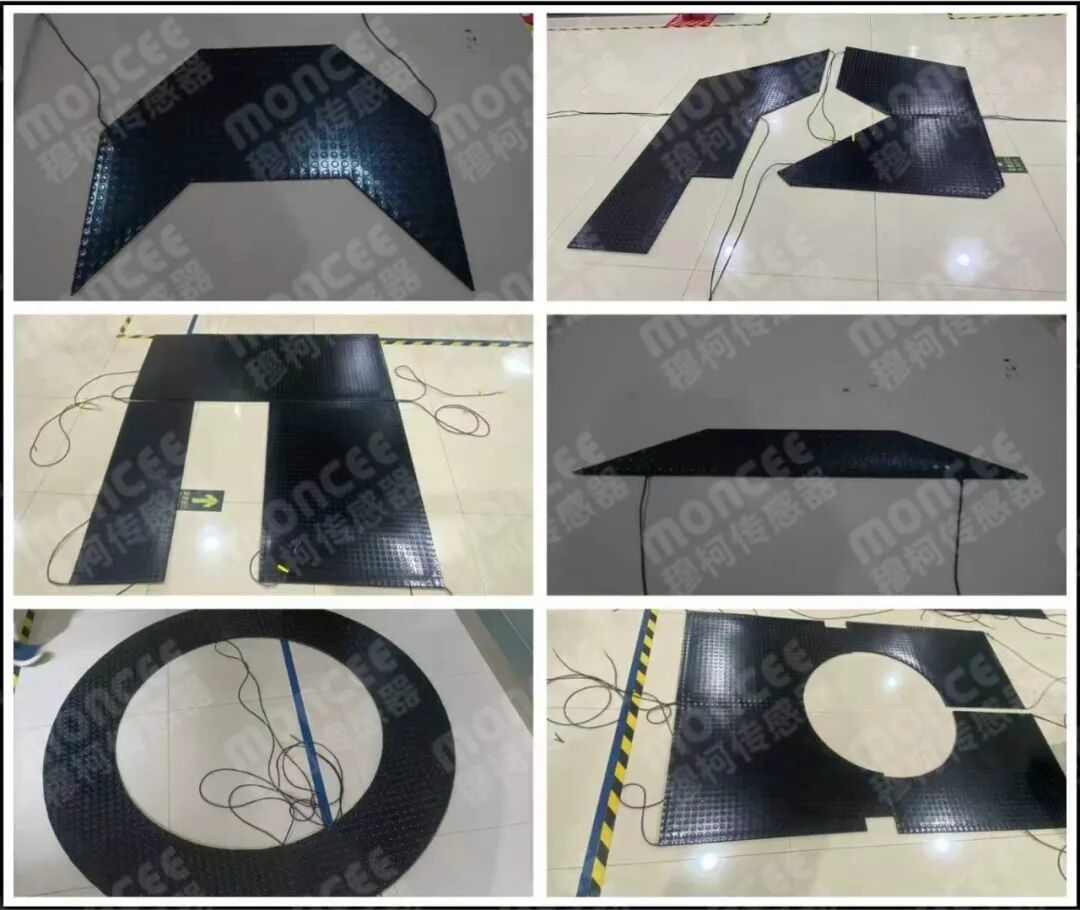
Customizable shapes and sizes: Available in rectangular, U-shaped, L-shaped, fan-shaped, and other configurations, helping protect areas that safety light curtains and guards cannot cover.
In one sentence:
Person enters hazardous area → steps on safety mat → machine performs an emergency stop; person leaves → system automatically resumes operation.
Safety and productivity can be maintained at the same time.
2. The Real Reason Behind the Hype: 3 “Unfair” Barriers That Can Trip You Up
① [Equipment Compatibility Barrier] Old Workshops and Legacy Equipment: Most Can’t Be Installed Directly!
New equipment / new production lines:
Safety interfaces are reserved in advance and the PLC supports emergency-stop functions → install directly and put it into operation quickly.
Old equipment / legacy machines:
No safety circuit, incompatible control board, or no emergency-stop terminal → rewiring can be expensive and difficult, and may create challenges when pursuing CE/ISO certification.
Reality: Many older factories try to save money by purchasing a safety mat, only to discover that it cannot be properly connected or triggered. Eventually, they use it as an ordinary floor mat—money wasted, while the underlying safety risk remains.
②[Safety Upgrade Barrier] Want to Upgrade an Older Low-Spec Safety System? You Can’t Simply “Pay the Difference”
Older low-level protection:
Only safety guards and light curtains were installed → blind spots remain, and floor-level hazards are not adequately protected.
Upgrading to safety mats today:
Additional wiring, program modifications, and controller replacement may be required, potentially making the upgrade twice as expensive as installing the system on new equipment.
The key issue:
Once an existing safety system has passed a safety inspection, it cannot necessarily be modified arbitrarily. Any major modification may require the entire safety system to undergo reassessment.
Reality: Workshops that opted for minimal safety protection in the past may find it difficult to address their remaining safety gaps today—much like trying to upgrade an old system after the fact.
③[Usage Barrier] Poor Working Conditions and Improper Use Can Cause False or Missed Triggers
Proper use:
Designed primarily for detecting personnel rather than heavy loads, with a typical threshold of 20–30 kg to reduce false triggering.
Improper use:
Forklift traffic, heavy materials stacked on the mat, metal chips, oil contamination, and other debris → the sensing mechanism can become blocked or malfunction.
Reality: Some workshops treat safety mats like ordinary floor coverings. Forklifts repeatedly drive over them, while metal chips accumulate on the surface. When someone actually steps on the mat, it may fail to respond—the “life-saving device” becomes nothing more than a decoration.
3. Who Can Install and Actually Benefit from Safety Mats? 3 Ideal Use Cases
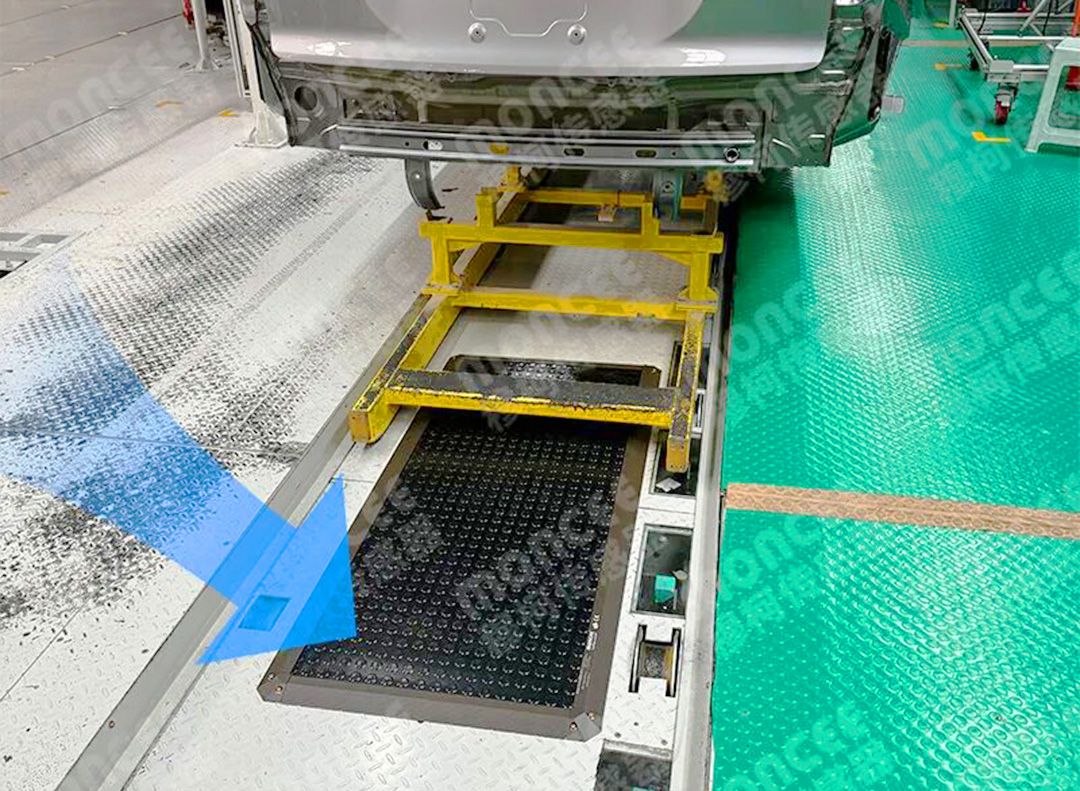
①New Workshops / New Equipment
Safety interfaces are incorporated during the design stage → direct installation, one-time implementation, easier commissioning and compliance assessment.
②Facilities Without Existing Safety Protection
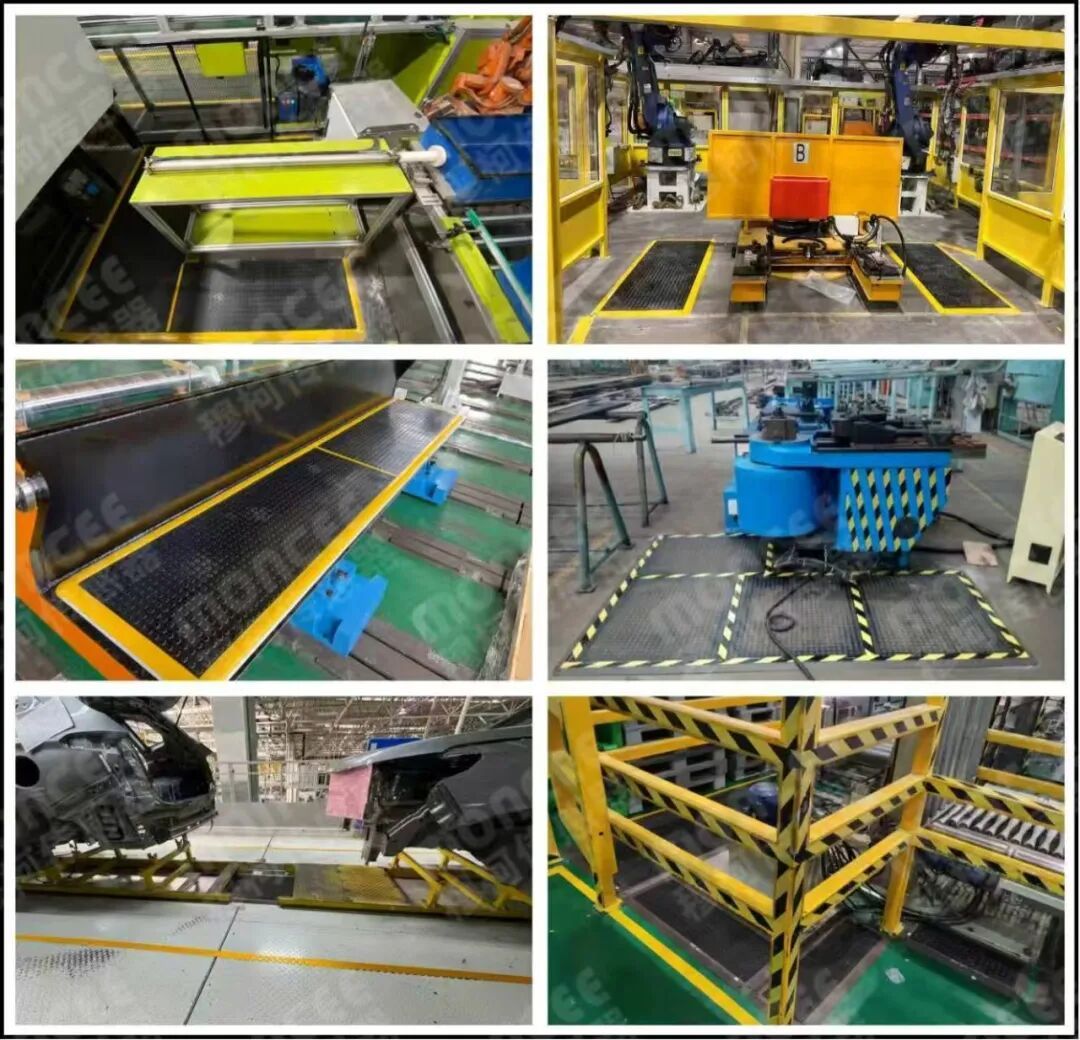
No legacy safety system to work around → safety mats can be installed comprehensively for broad-area protection, offering good overall value.
③Well-Managed Workshops with Clean Working Conditions
Forklift traffic is separated into designated areas, heavy objects are not placed on the mats, and oil and other contaminants are removed regularly.
4. How to Avoid Mistakes: 3 Steps to Make Sure Your Safety Mat Actually Works
①Check the Equipment First
Check whether the PLC has a safety emergency-stop interface (NO/NC). For older machines, consult the equipment manufacturer first to determine whether modifications are possible.
②Set the Appropriate Trigger Threshold
For typical workshop applications, a 20–30 kg threshold can help prevent false triggering caused by metal chips, small tools, and other objects.
③Verify the Required Certifications
Look for relevant certifications and standards such as CE, PL d, and ISO 13856. A product without appropriate compliance documentation should not simply be treated as a qualified safety mat.
Safety is a lot like retirement planning: if you don’t plan ahead and only focus on saving money, it can be difficult or expensive to make up the gap later. New facilities and new users can implement safety protection from the beginning—and often achieve better overall value.
Don’t wait for an accident. Don’t wait for a safety inspection. Don’t wait until regulations force you to act.
Install the right safety mat beneath the work area so the machine can stop before someone gets hurt.
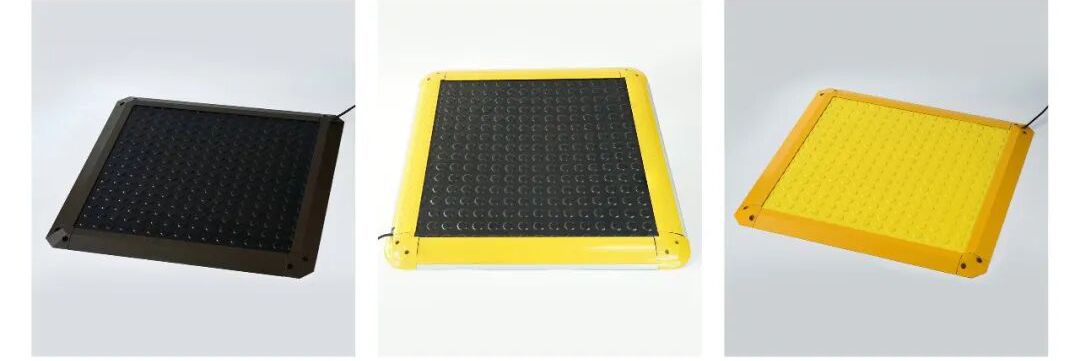
If your equipment is suitable for safety-mat protection, implementing it early can save you significant trouble later.



 English
 简体中文
简体中文 Indonesian
 Previous:
 Back to list


